
Daphne Yau: turning unloved clothes into upcycled treasures
Meet Daphne. By day, she works in finance. By passion, she’s an alchemist of abandoned clothes. Born and raised in Hong Kong, based in London for the past four years, she’s passionate about rescuing the unloved garments of the city.
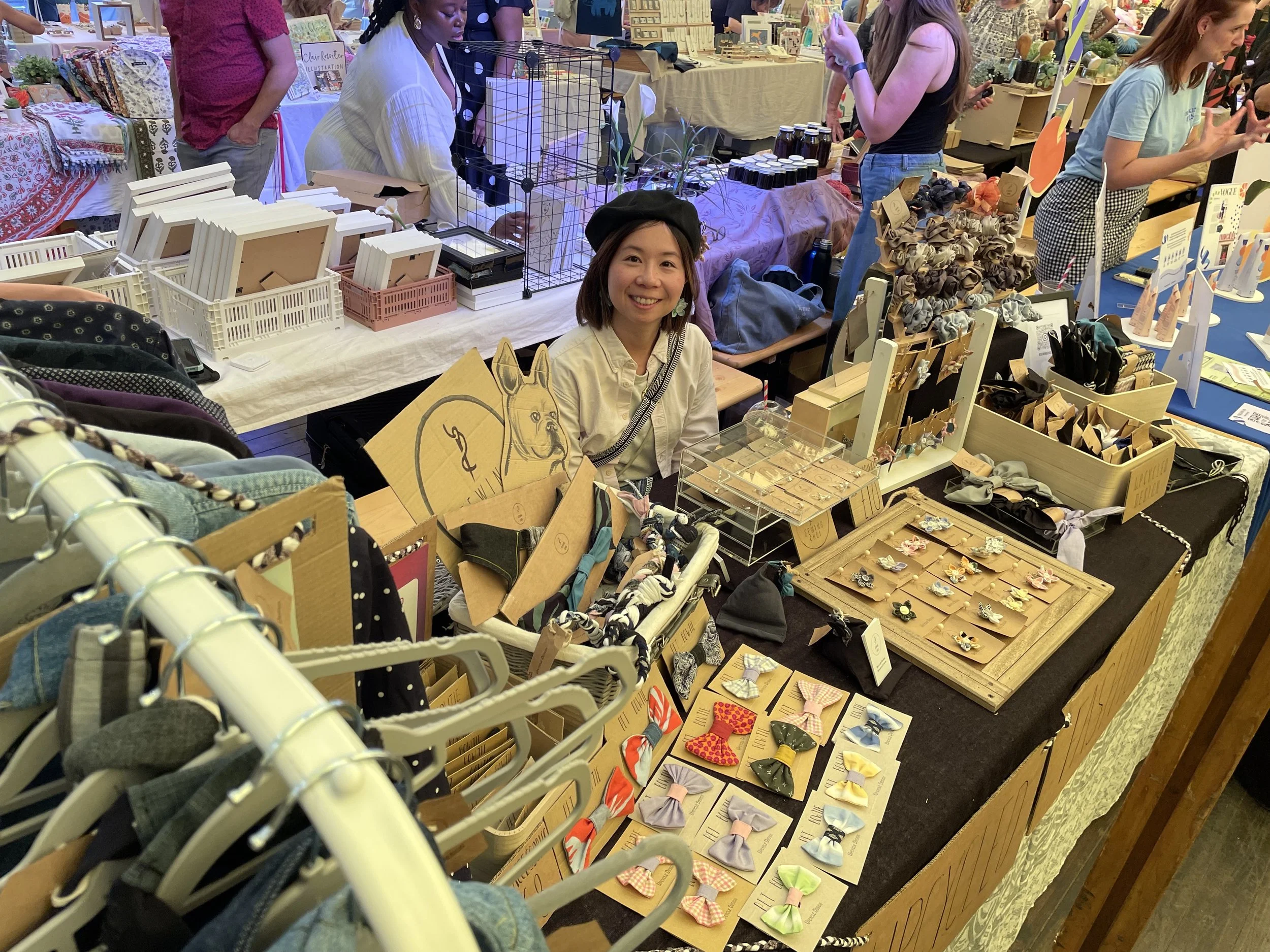
Daphne at the Solo Craft Fair on the Southbank.
Her project, Sewing Choi, takes its name from the Cantonese word “Choi” (菜, cai3) meaning “veggie” — a fitting symbol for everything fresh, green, and bursting with new life. Give her a stained shirt or a hopelessly worn-out jacket, and she’ll turn it into something surprising. Daphne’s on a mission to make upcycling contagious.
This is her story, in her own words.
How a family sewing machine sparked a passion for upcycling
Growing up, we always had a sewing machine. My mum made things for me when I was little, but at one point she stopped — it was easier and more convenient to buy clothes from the shop.
But then, when my grandfather passed away, he left so many things behind. One of them was this completely new shirt. It was too big for me and I didn’t like the style, but I wanted to make something out of it that I could wear. That was my first project with the sewing machine. It didn’t turn out very well, but it was a start!
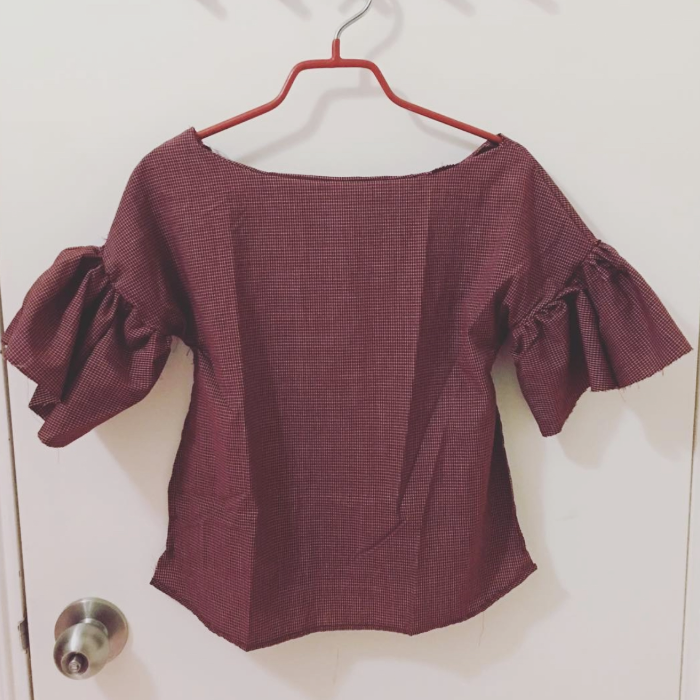
Daphne’s first upcycling project: her grandfather’s shirt.
Then with COVID, when we were stuck indoors with nowhere to go, I had lots of time to play around with things I had. All this triggered an interest in upcycling. I didn’t even know the word for it at the time: taking old materials and turning them into something new. I really liked the idea because there is so much out there.
Many items of clothing are with the wrong person — either it’s not their style or there’s this one thing about it that bugs them — and they won’t wear it. If a garment doesn’t work for someone, it’s just because it’s in the wrong home.
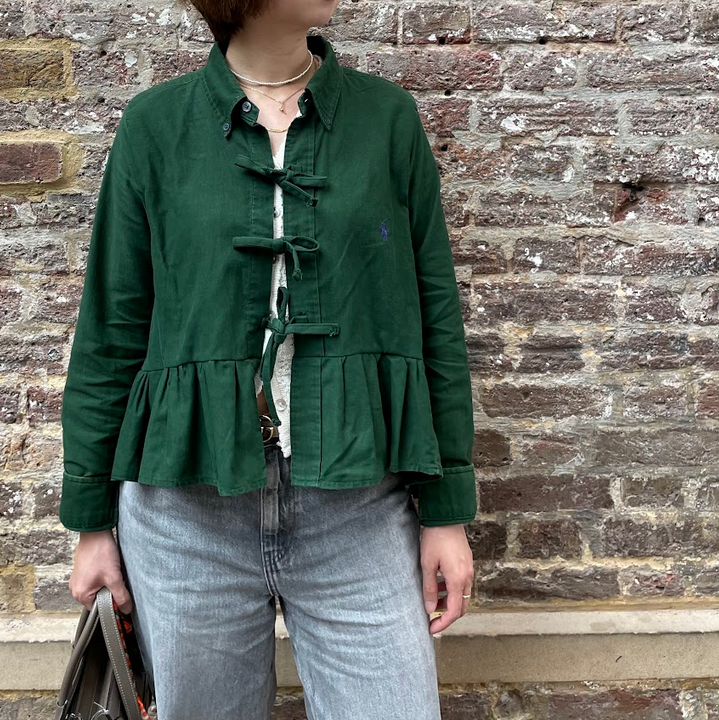
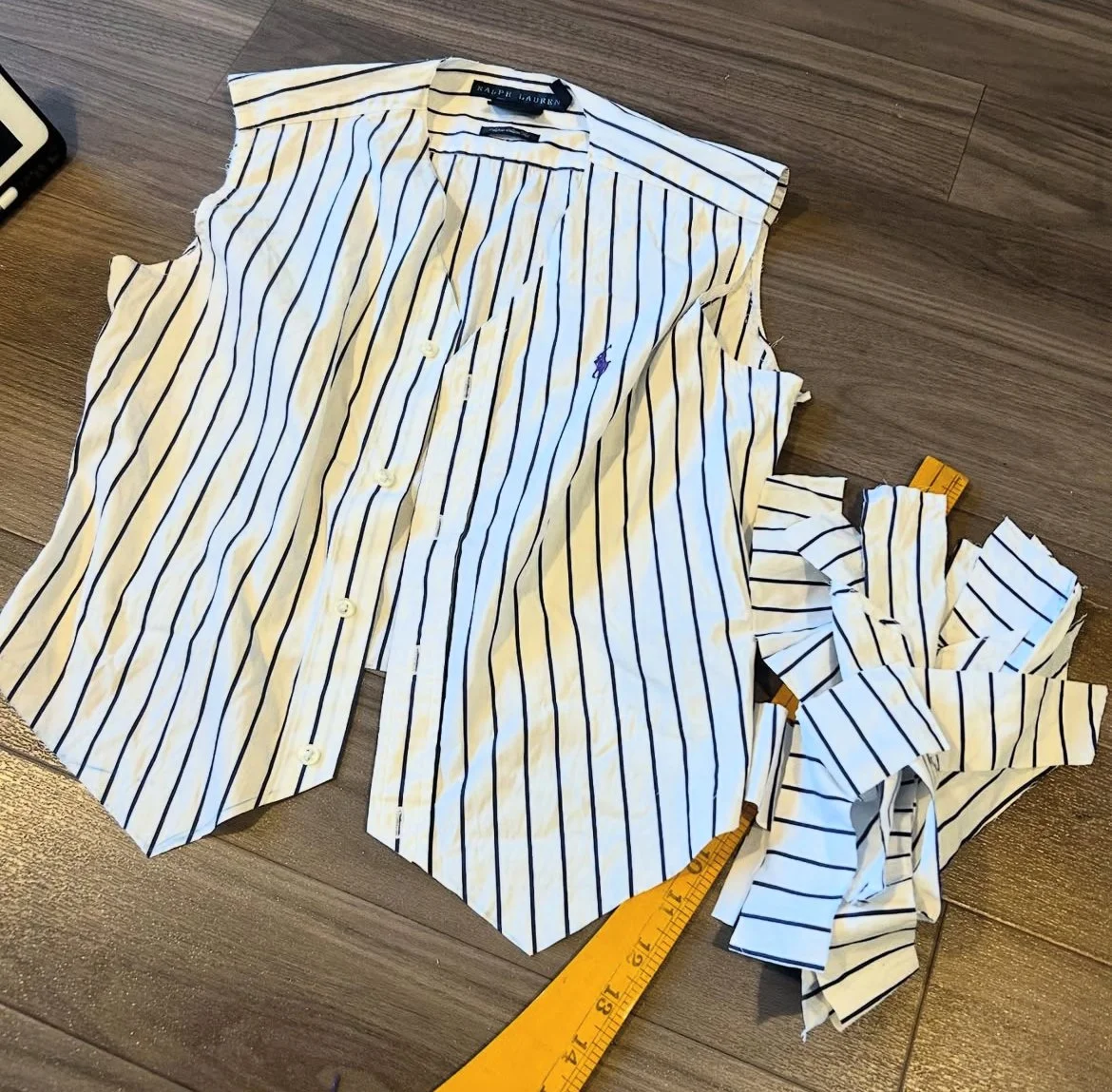
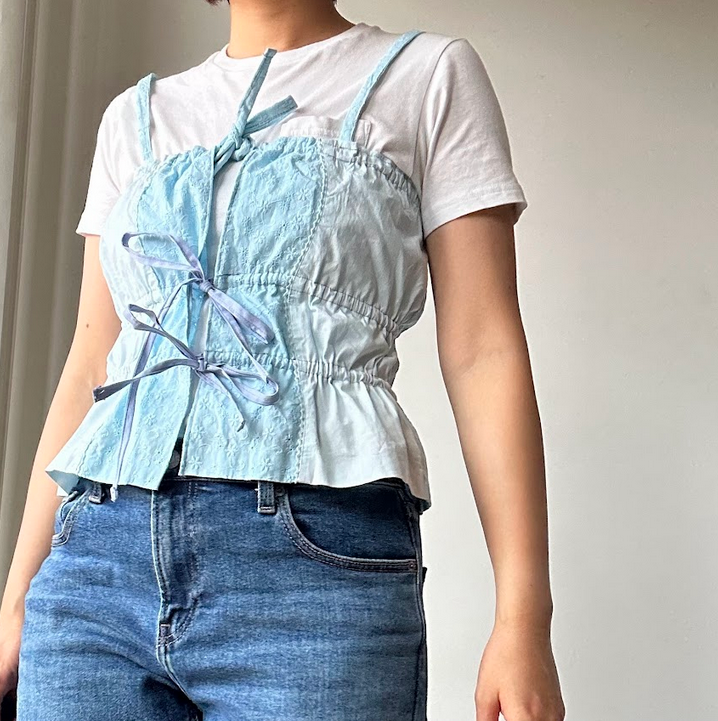
Or if you feel you have nothing to wear but you have a closet full of clothes that you don’t like, maybe it’s just about pinpointing what’s bothering you and changing it.
Sewing Choi: a creative diary that grew into a movement
I started my Instagram page just to explore all this. I studied in graphic design, so having a portfolio is something I’m used to. So, this Instagram page was like a personal diary where I was logging my experiences, taking a picture of what I made and putting a description.


Then, slowly, I gained some recognition, and some people started donating clothes to me. And my friends started getting open to the idea of thrifting. People were asking me to make or alter things for them. And it all took off from there.
Upcycling clothing and beyond
I don’t want to upcycle just one thing. What I want to promote is a way of thinking: that we should try to make good use of what is already there rather than buy new. So, I like to show as many examples of this as possible, just to spark ideas. I focus on clothes but on lots of accessories too.
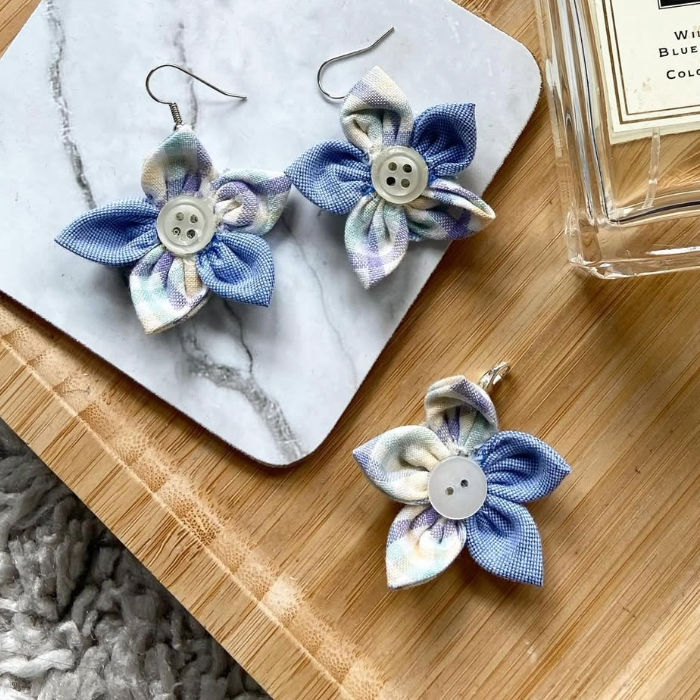
If you look at my website, you can see I try to showcase even the tiniest pieces. I’ve got these earrings - I really like them because they’re made with the smallest piece of cloth. With a tiny piece you can make something new. I like that idea.
As for bigger pieces, there is a kimono shirt that I like to make. When you wear a shirt, there may be some aspects of it you don’t like, and it’s gone through wear and tear, but the fabric is still wearable. You rework it and bam, you’ve got a new, very nice piece.
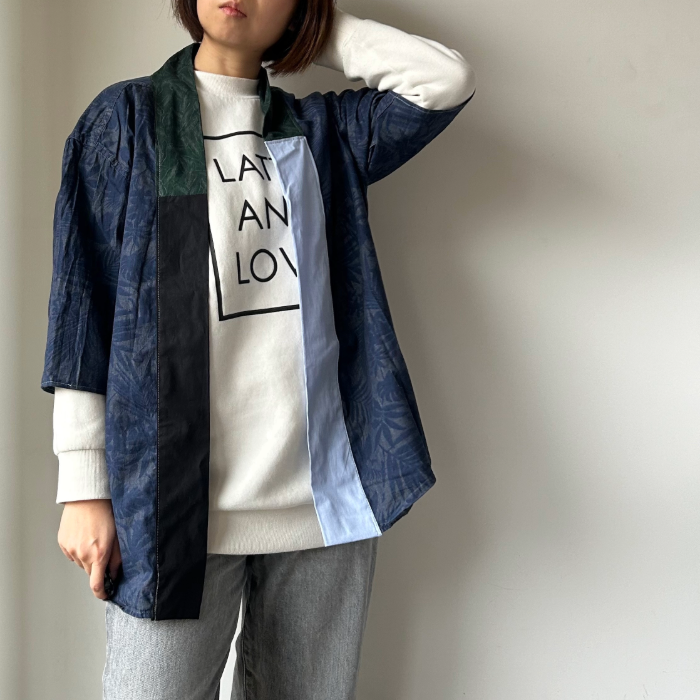
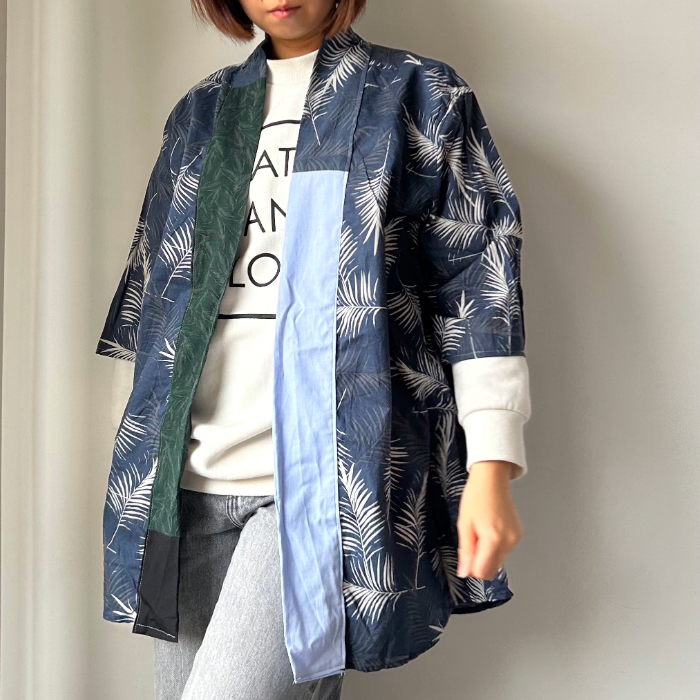
When I look at clothes, I don’t see the shape, I see the material, the space I can work with, and the potential that it has. And I just love the creativity around that.
Where to find materials for upcycling: smart, sustainable sourcing tips
Start with your family or your neighbourhood. There are always people moving out who have something they want to get rid of. My focus is on items that are not suitable for donation — I don’t want to compete with resources that could be of use to others. I don’t mind if something has tears or stains, I just use the other parts of the garment. It's a very niche area to focus on.
I search on local Facebook groups, I use word of mouth. If there’s a particular project with a specific material I have in mind, I’ll look in more specific places. But the majority of it I get from donations. I have a big stash at home!
There’s the internet, there’s Instagram. If you type ‘upcycling’ on YouTube, you get so many ideas for what to make and where to get material.
Growing Sewing Choi through community
There are so many people doing exciting things and exploring the idea of sustainability. But I always felt that online, because of the sheer volume of content, sometimes your own work gets a bit diluted.
That’s why I'd like to focus more on my local community, on meeting people in person. I want to reach more people through my workshops — I’m trying to get people to take this mindset home.
At the most recent workshop I did, I showed how you can turn an old t-shirt into yarn that you can use to make other things.
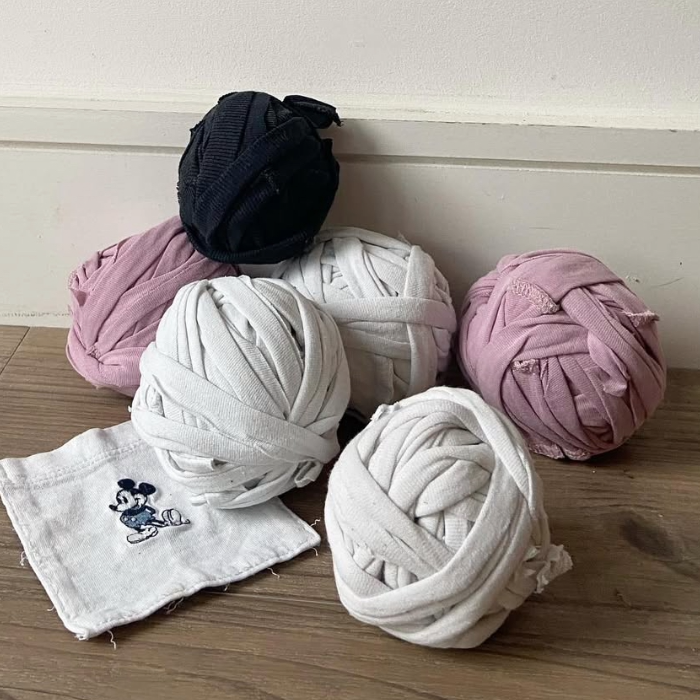
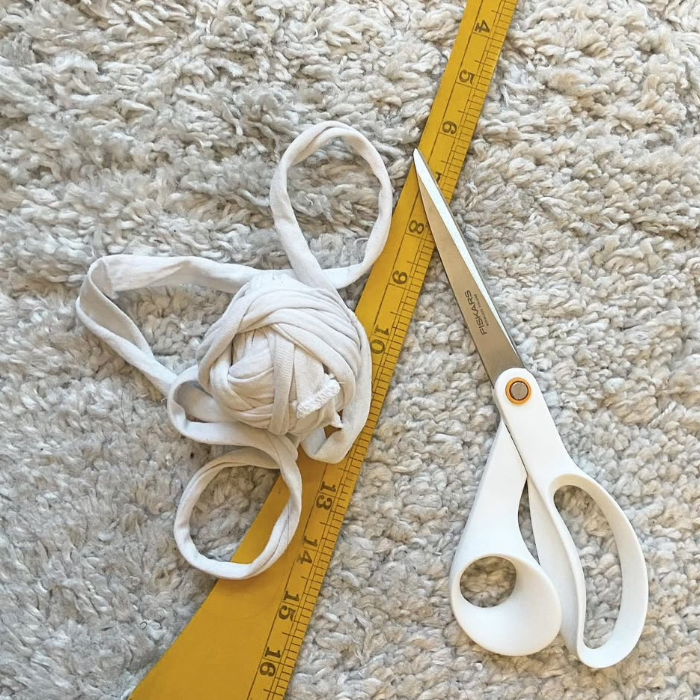
I think workshops are very impactful because people have the experience of making things themselves and then they get to take them home.
I’d also love to join more markets to introduce myself to people in person. And I think that’s a powerful way to reach people, that human connection is really quite important.
Tips to begin your own upcycling journey
Just take the first step. Join what’s available around you, there are so many resources out there. Don’t be afraid to jump in and makeyour first project.
Everyone has made their first mistakes. It will happen and you can fix it. Just make your first mistake. Find out what you want to make and take it from there.
Visit Sewing Choi, and follow Daphne on Facebook and Instagram. Order for Christmas by 29th November!
Know someone working with materials in exciting, sustainable ways and/or making a difference in their community through craft? We’d love to feature their story. Get in touch at hello@destasher.co.uk.
