
Madeline Tanoto: mending clothes, mending ourselves
Madeline Tanoto, the founder of Mads Do & Mend CIC, is a South London maker, social entrepreneur, and mental health first aider who is rethinking how we care for what we wear.
Through her work, Madeline brings together sustainable fashion, repair, and community. She advocates for mending not just as a practical skill, but as a way to connect with others.
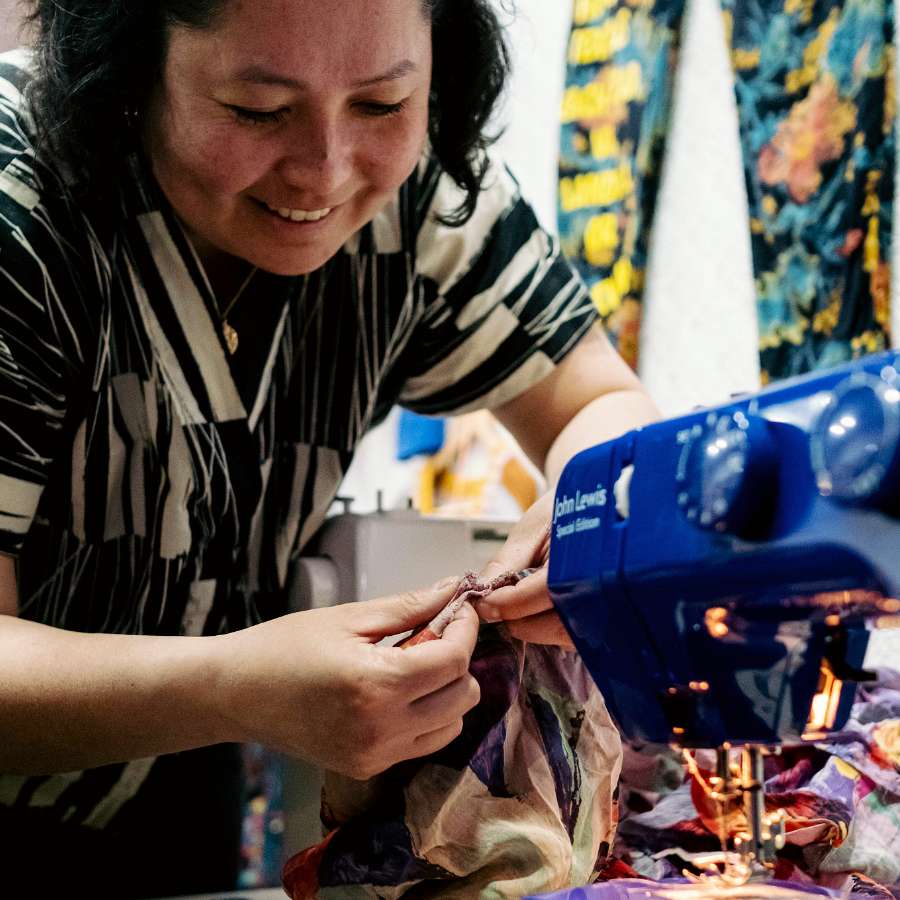
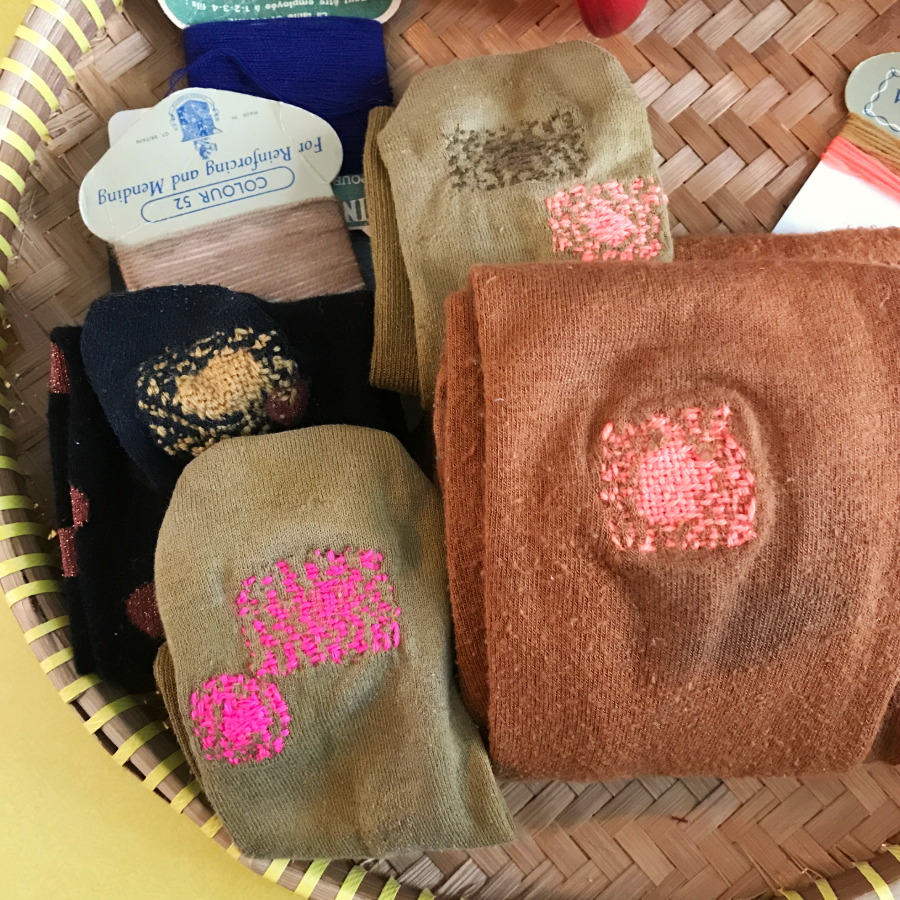
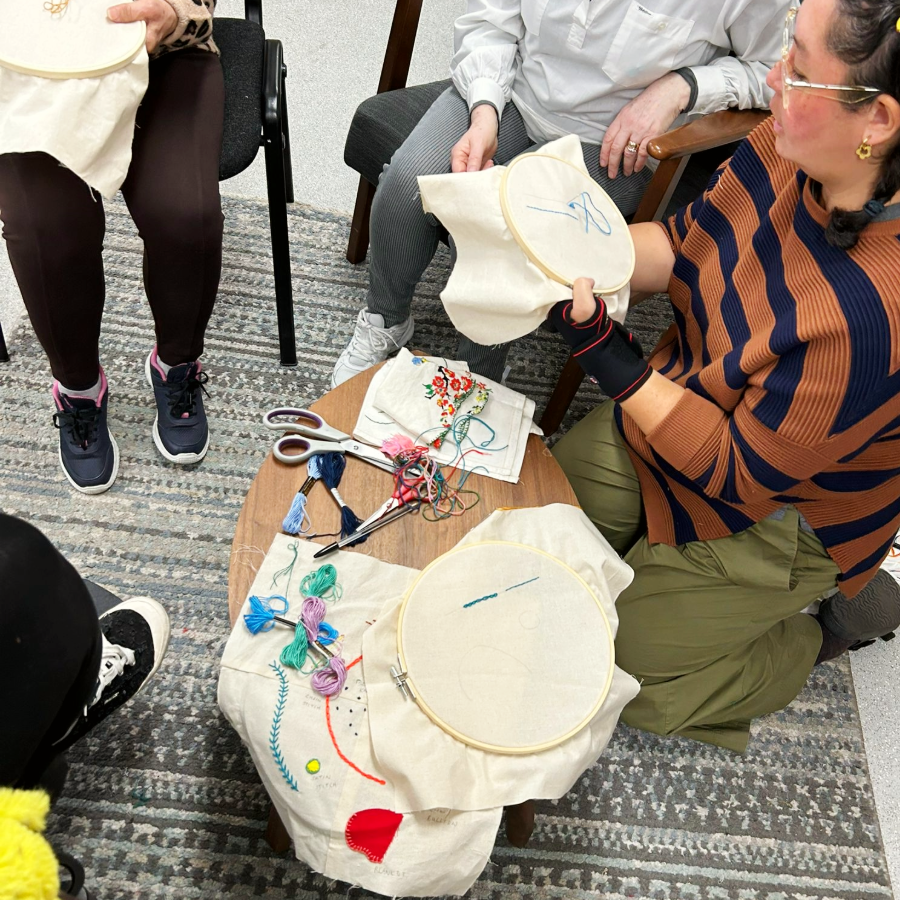
From hands-on workshops to speaking engagements, she shares techniques including patchwork, darning, sashiko, and block printing and other ways to repurpose and re-fashion our clothing.
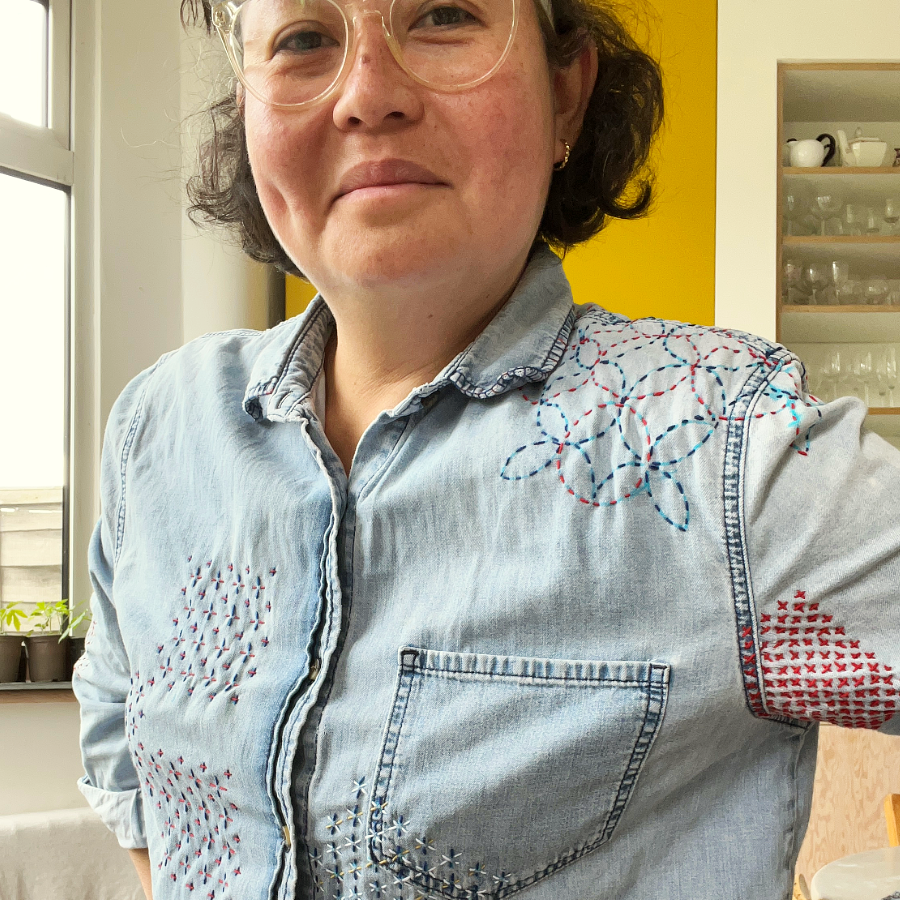
Her mission: to empower people to mend their clothes and, in the process, mend themselves through craft and creativity.
Here is her story, in her own words.
Family heritage: how Madeline’s roots shaped a life in textiles early on
My dad's family is from China but they have lived in Indonesia for generations, and have always worked in import and export. My mum is from Bradford, Yorkshire, where my grandfather apprenticed at a mill and worked in the textile industry for many years. So, I have this heritage in textiles coming from everywhere.
But I have a bit of a checkered career path. After studying theater design, I did different jobs in my twenties, and then studied millinery which led to a job as a designer for a company that supplied fashion accessories and hats to much of the UK High Street. I was part of this machine, designing on demand, producing so much stuff.
With the financial crisis, the company folded. This had a big impact on my understanding of the wider fashion chain and the amount of waste it produces. We had an entire warehouse of canceled stock, and more sailing across the water from China, with literally no value.
After that, I ended up freelancing directly with factories. People tend to think negatively about manufacturing, and it’s true that it has some shocking practices. But we forget that it’s also the brands, retailers, and the entire fashion supply chain that are complicit in a system that generates vast amounts of waste and overconsumption, from design inception to how we deal with unsold goods. I mean, if we stopped manufacturing right now, we’d still have enough clothing for 6 generations of people!
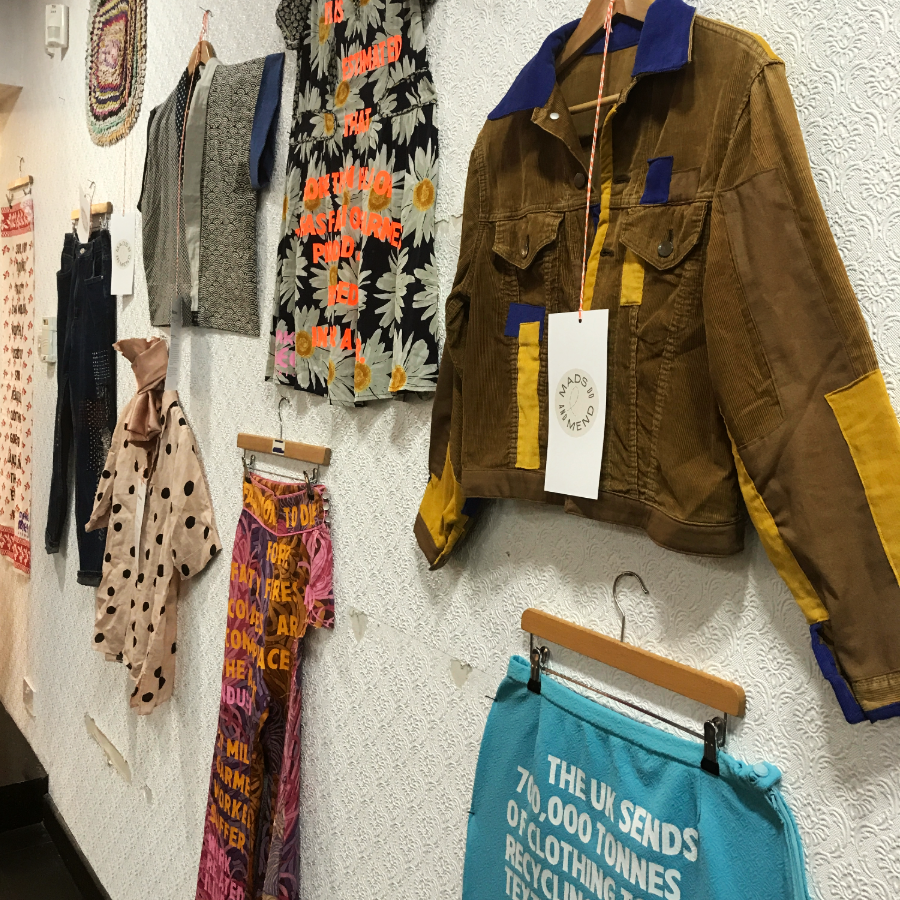
Upcycled clothing display at the Clothing Repair Station, Lewisham.
When my contract ended, I felt burned out by the industry. I just didn’t want to do that kind of work anymore. I worked briefly as a textiles technician in a secondary school, and when I had my son, I stopped working for a while. That’s when my journey with Mads Do & Mend CIC began.
Mending as healing: rediscovering creativity through repair
After my son was born, I struggled with postnatal depression. And as I wasn’t going back to my job, I got really down.
In the intervening years, I had also decided to reconnect with my family in Southeast Asia. I was born in Indonesia and lived there until I was about eight when my parents split up. In 2019, I travelled back to reconnect with my father and the wider family from whom I had been estranged for many years. It was amazing to see my father, and to meet my brother for the first time, as well as all my extended family. I was also keen to explore my culture and places I’d grown up. It was transformative. But when I returned, after a few months, I felt quite lost, and very low. Then, on top of that, lockdown happened. It was a really hard time in my life.
I’d always loved making things, but by then I had zero desire to create anything.
But then, one day, I had a pile of mending and I thought: I’ll just fix a few things. I taught myself how to darn some pairs of socks, and did some other bits of mending.
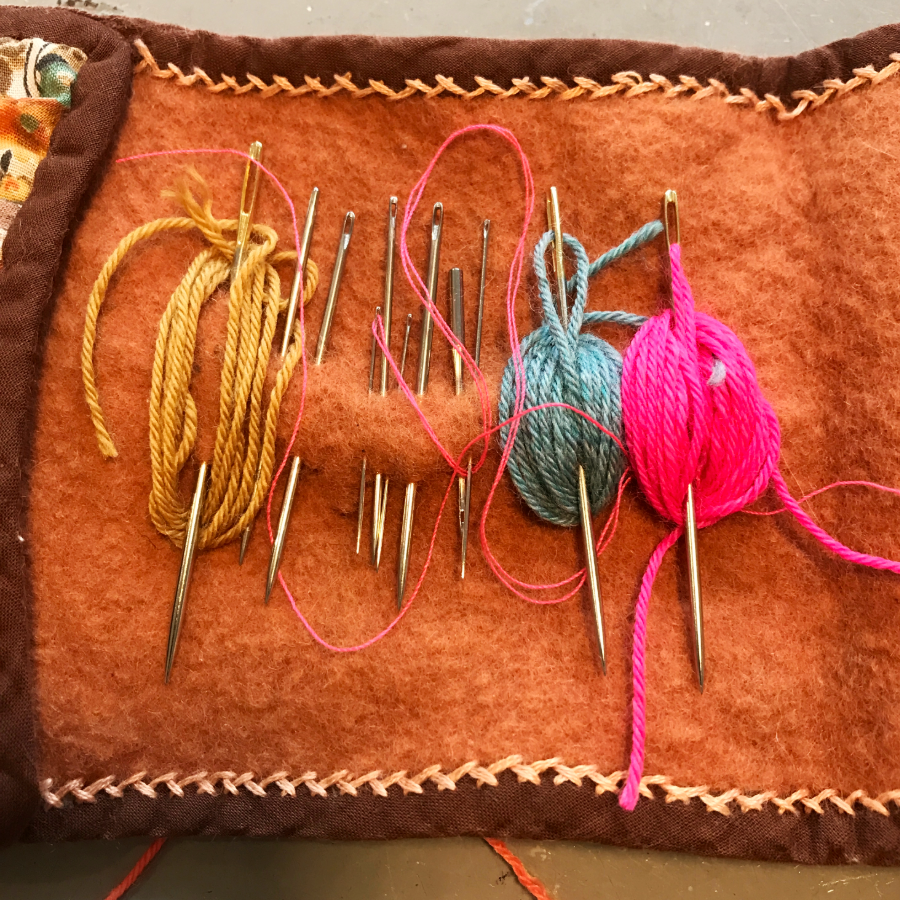
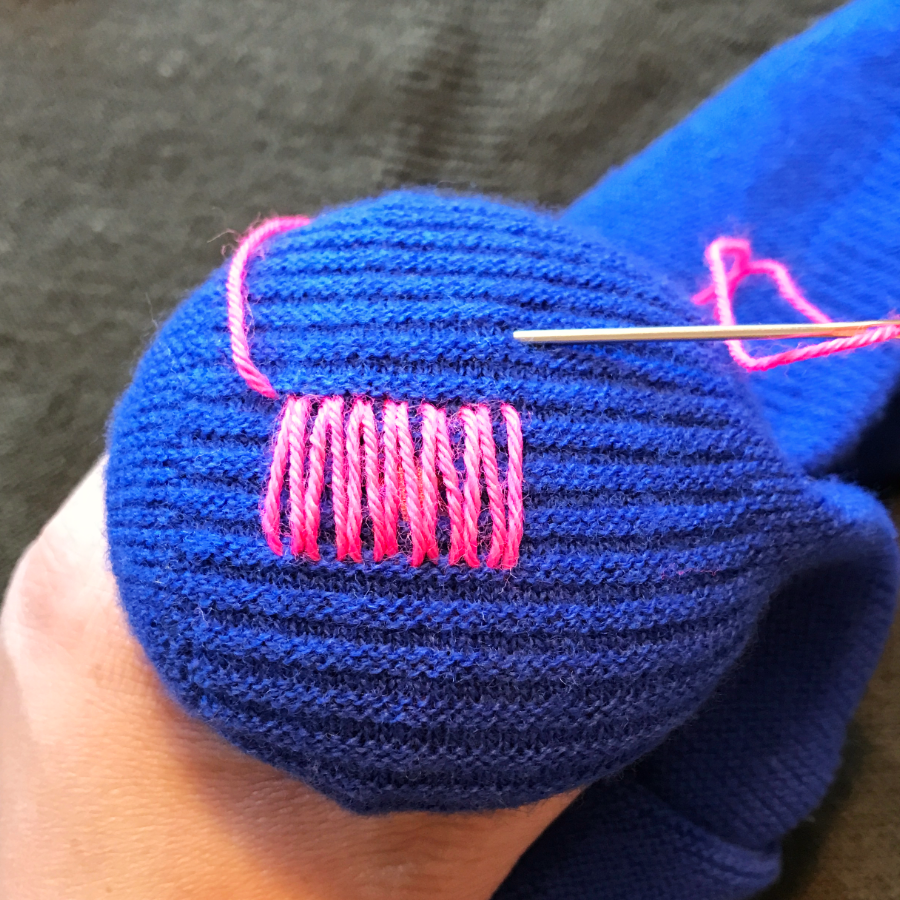
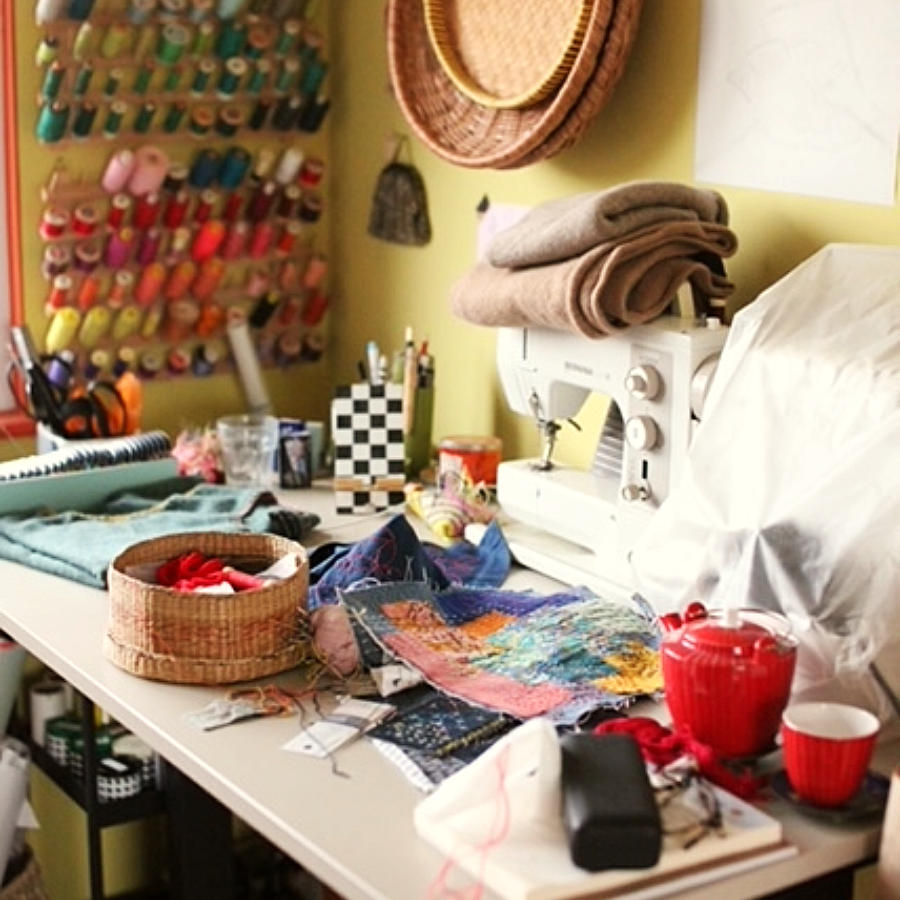
And it was a real revelation. The act of making, but not producing anything, not wasting, felt like such an antithesis to my previous career. In the past, I’d think of mending as a chore, something functional with no creativity. But all of a sudden, it was soothing and calming and really helping my mental health.
From a first creative fund to flourishing workshops
In 2022, I applied for funding from Lewisham Council. My friend Libby helped me as I’d never done an application for a funding bid. And we got it!
I set up Mend Clothing Repair Station in Lewisham Shopping Centre. Make Mee Studio applied to display some Lockdown Quilts. So, we collaborated. Based on my own experience, I wanted to explore how mending clothing was tied to mending parts of myself, specifically my mental health, and wondered if this might be relatable for others too.
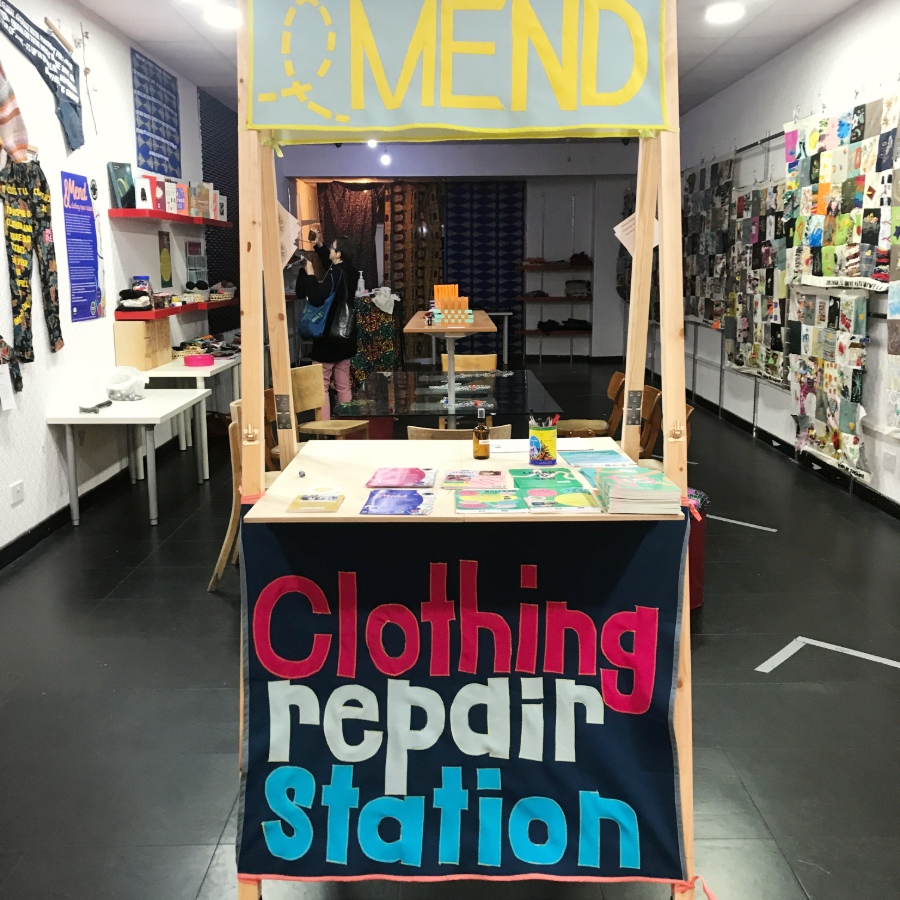
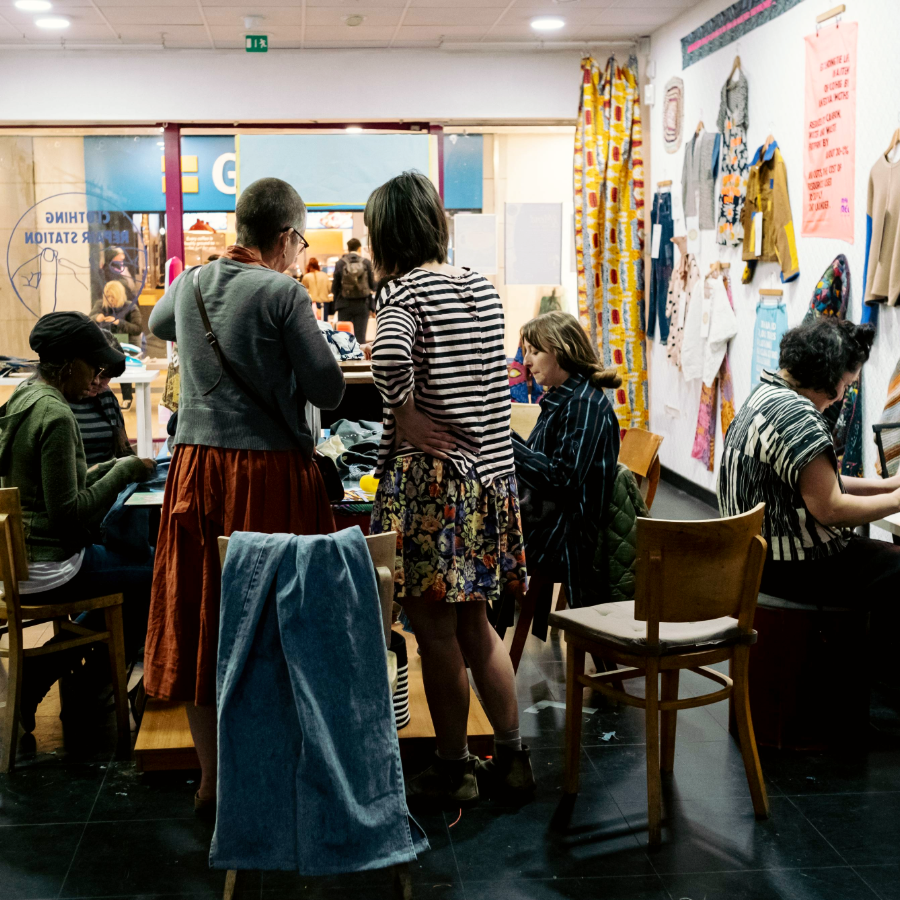
Around the end of that, I was approached by a social housing provider to see if I would run mending sessions for their communities. We’ve been running these weekly community projects for four years now. I've also done lots of private workshops based around learning specific mending skills and it's all just taken off!
Why mending matters: sustainability, skills, and the power of connection
I think mending is so important because it's a real gateway into sewing and fixing. Many people probably don't necessarily want to make their clothes, but they're likely to make a small fix. It’s a good way to introduce them to crafting, and then see how things grow.
We've had people who've never done anything like this before, who've then gone on to make really beautiful things.
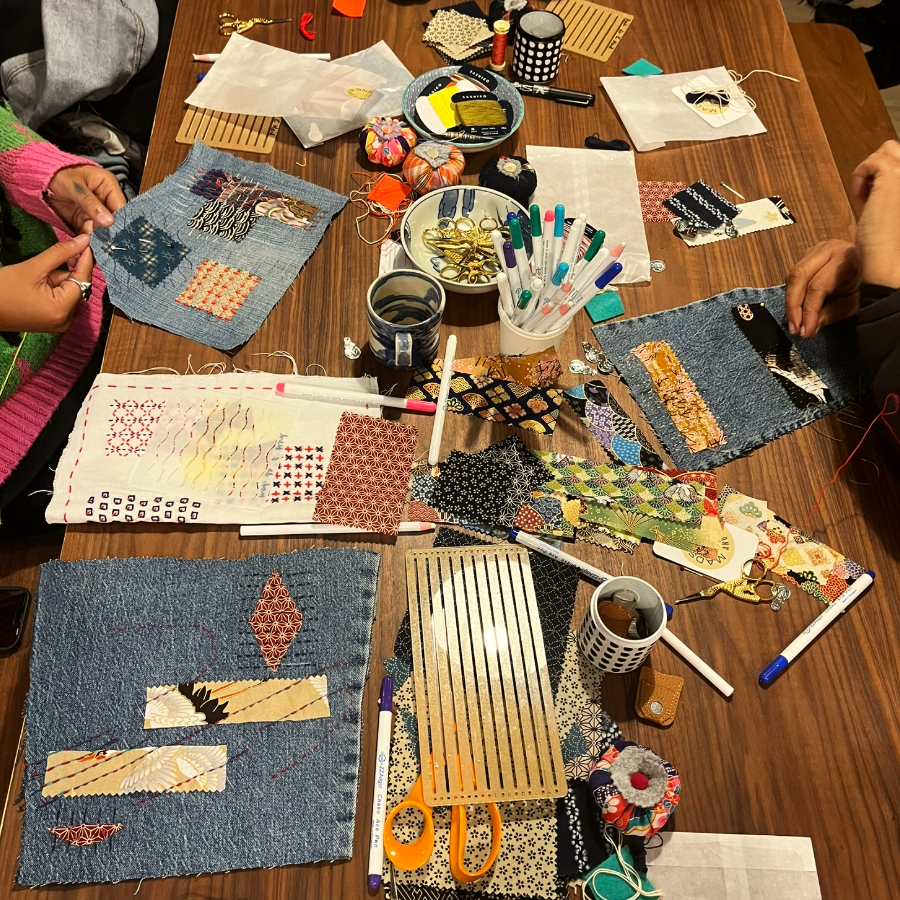
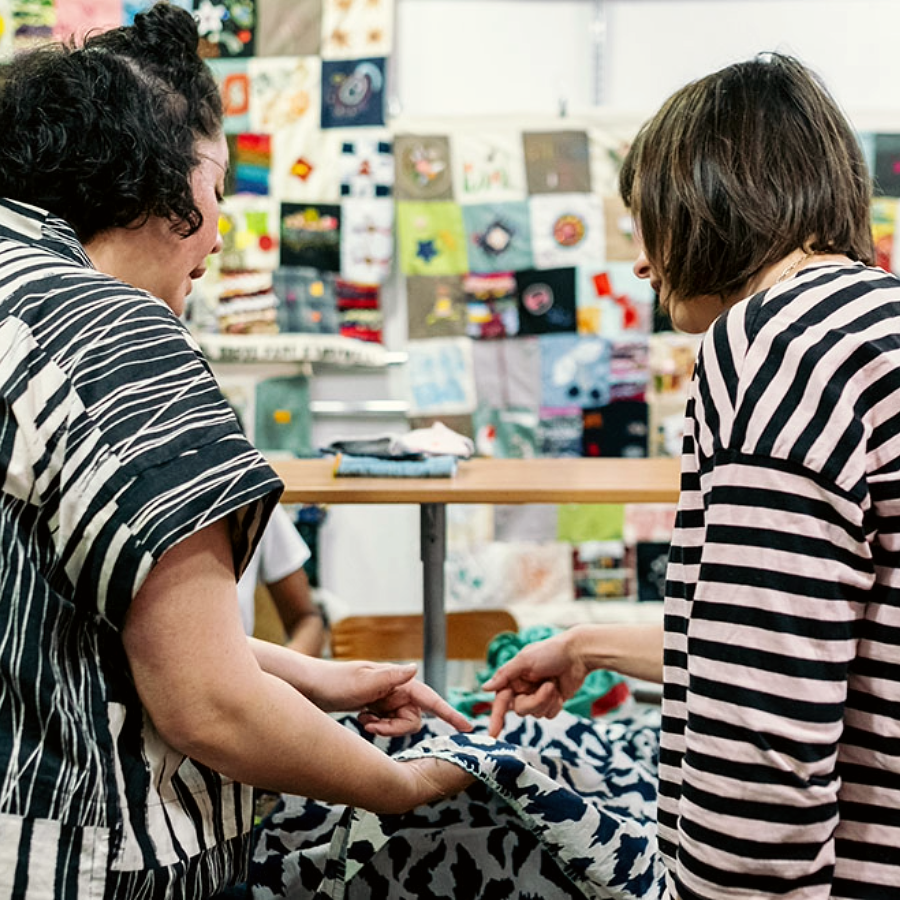
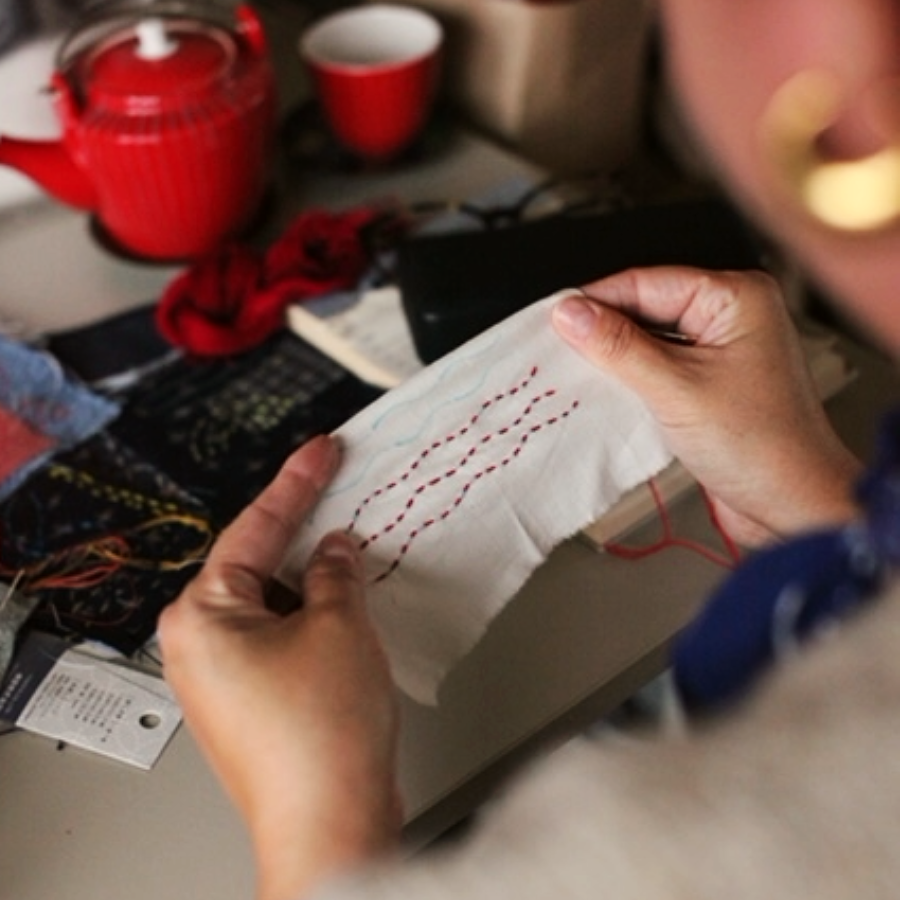
The in-person connection is really important, too. I could be posting online tutorials but it’s not my main aim. For me, it’s about fostering in-person relationships and building communities. Our sessions in social housing communities become a place to connect each week. And that's really important, especially for people who would never have otherwise crossed paths.
Quiet activism: how repair challenges fast fashion and reduces waste
Getting people to engage in repair is so important. The shift away from it has actually been very recent. If you look at black and white pictures, you’ll see kids with mended clothes. A few generations ago, especially in the Second World War, there was a real sense of thriftiness.
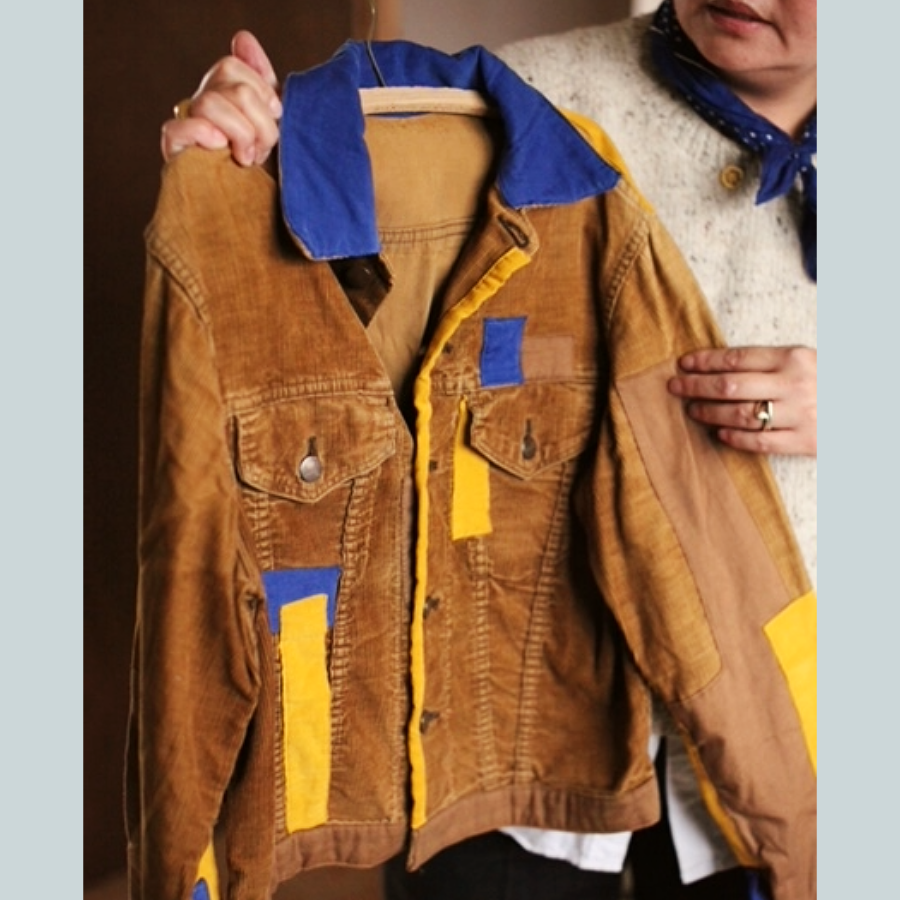
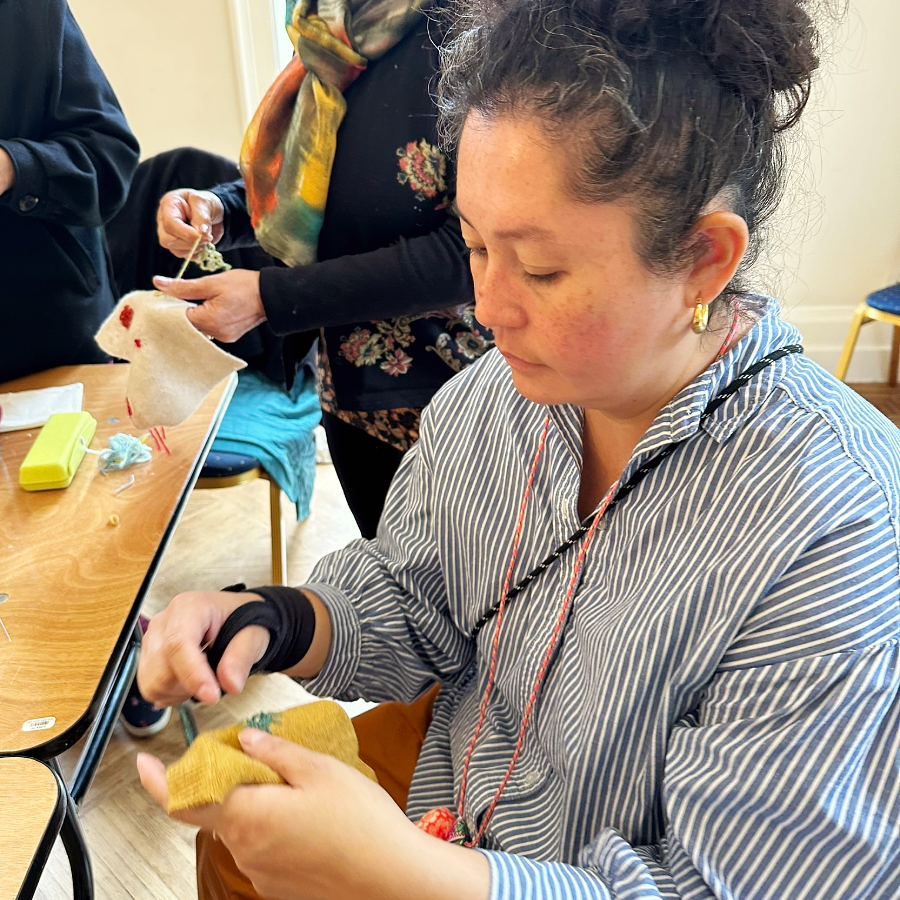
I would never describe myself as an activist, but I suppose I do a form of quiet activism, in a way. It’s easy to feel eco anxiety or eco overwhelm in our day and age. I think that's why I'm so passionate about mending now, because I think it's a really accessible way of getting people to just fix. If everybody fixed one thing, that actually has a huge impact.
New creative collaborations in quilting with salvaged textiles
One thing we’re doing more of now is bigger projects. With one of our groups, we’ve just completed a community quilt project with salvaged materials on the theme of belonging, which is going on public display in Canada Water Library in May. It’s been such a testament to people working collaboratively.
We did a survey at the end, and everybody said they were proud of what they did, which was so lovely.
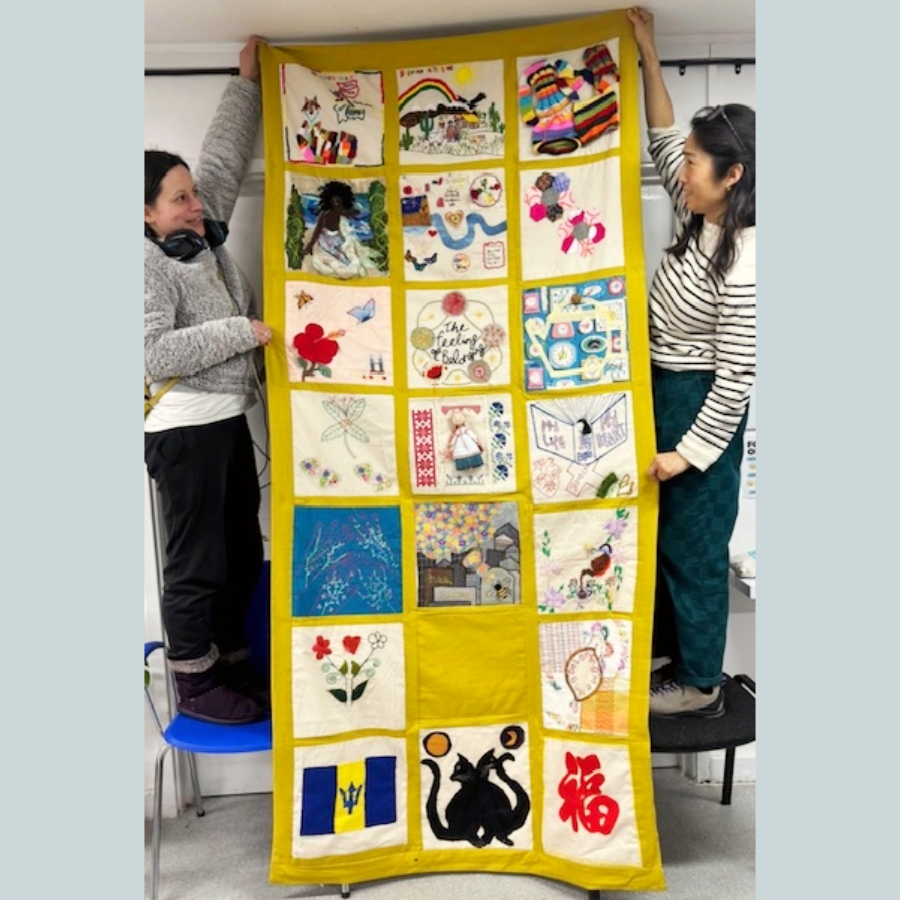
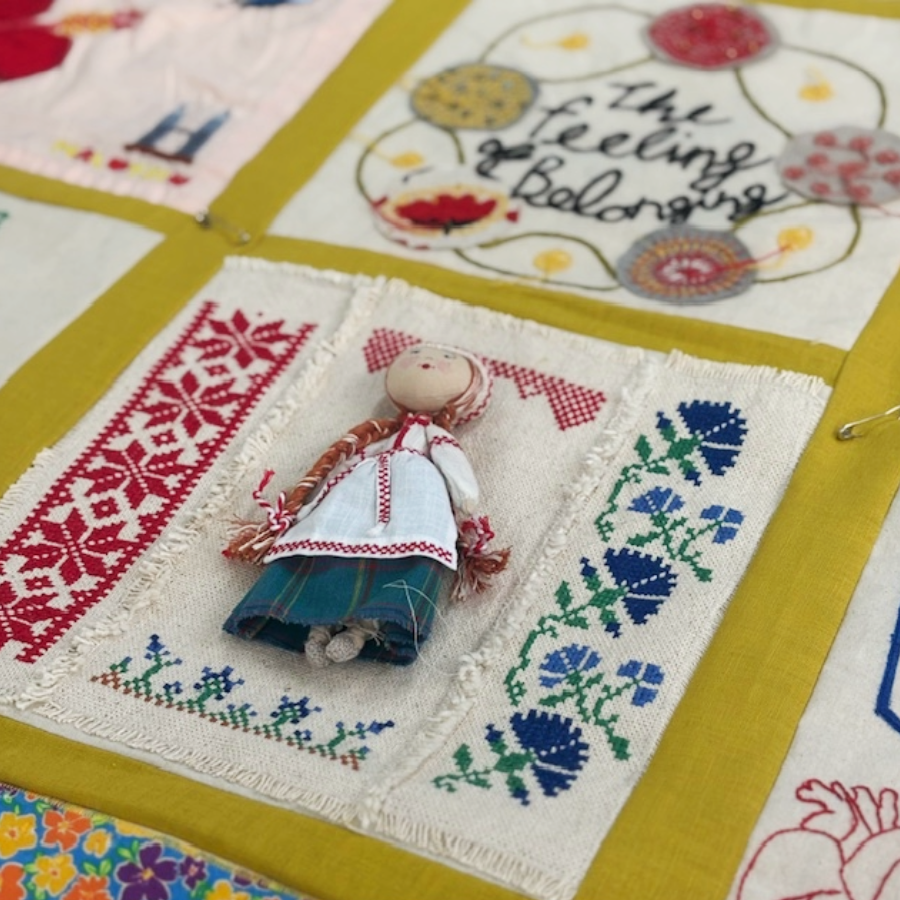
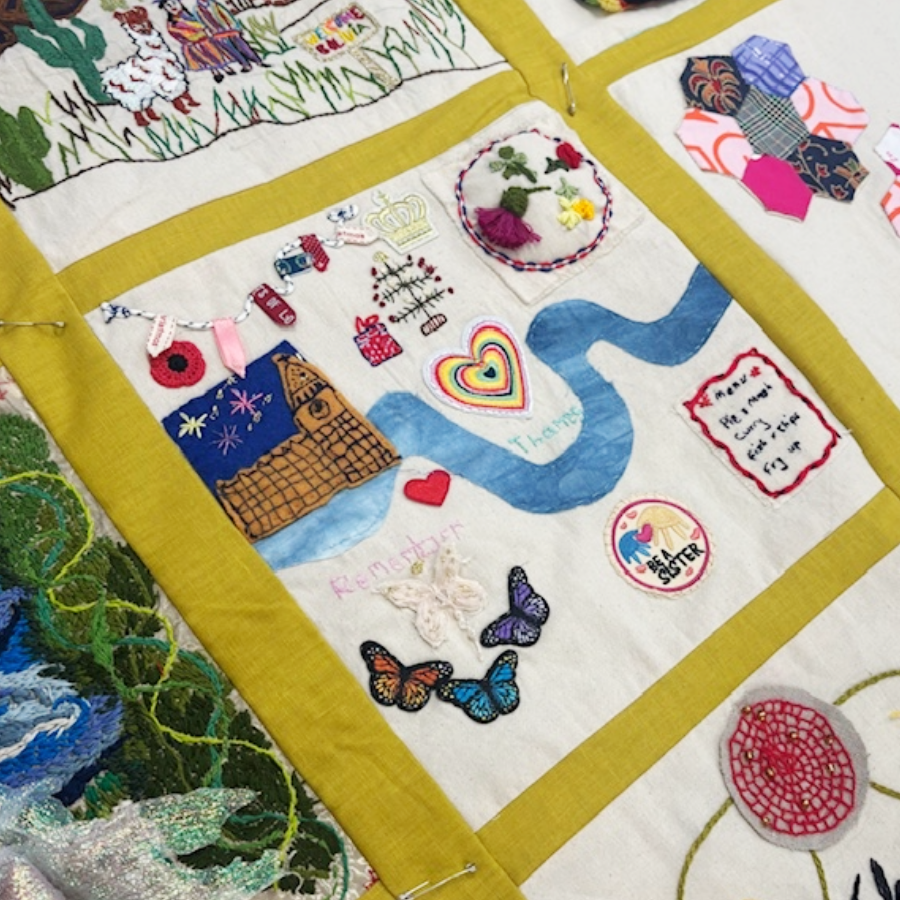
And they couldn’t wait to see how it all woud look together as a collaborative work. You’ve got your individual part that you do yourself, but then to see it all fitting together is so exciting!
Other projects: upcycling vintage knitwear and hiding stains with imagination
I am a bit of a Del Boy. At least, I definitely have a bit of a streak in me! I saw a listing of 20 kilos of vintage wool jumpers on eBay. They had been stored in a warehouse for over 30 years and just forgotten about. There was a really beautiful cardigan in there. And I thought: Why not get the whole lot?
It’s all quite stinky, and some are more damaged than others. I’m thinking of refreshening them all in different ways. Maybe cut up different jumpers to make one jumper, get a bit creative with stitches… I’m going to play around with it all and see what can be re-imagined. I think this falls into creative repair and fashion. There's such magic and creativity there, it can be quite exciting. I like the idea of looking at waste in a different way.
I also love traditional block printing. They're a fantastic and creative way of covering up stains, you know?
I love white. I've got so many white clothes, but obviously with small children, there's gonna be loads of stains.
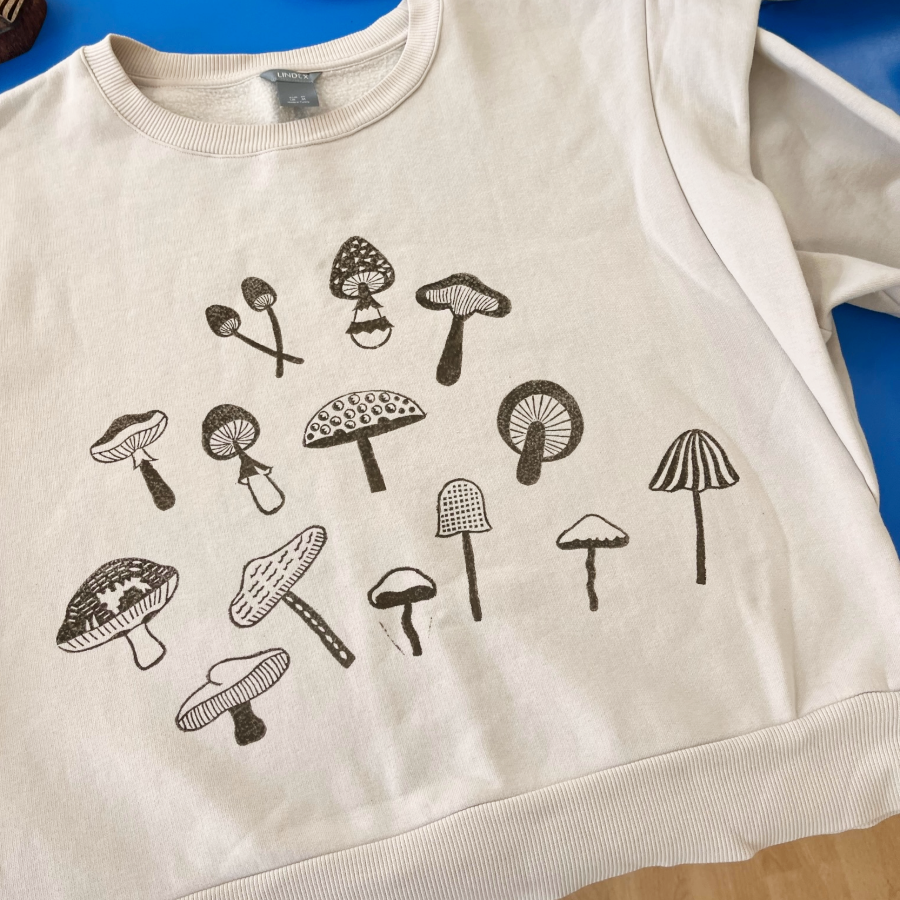
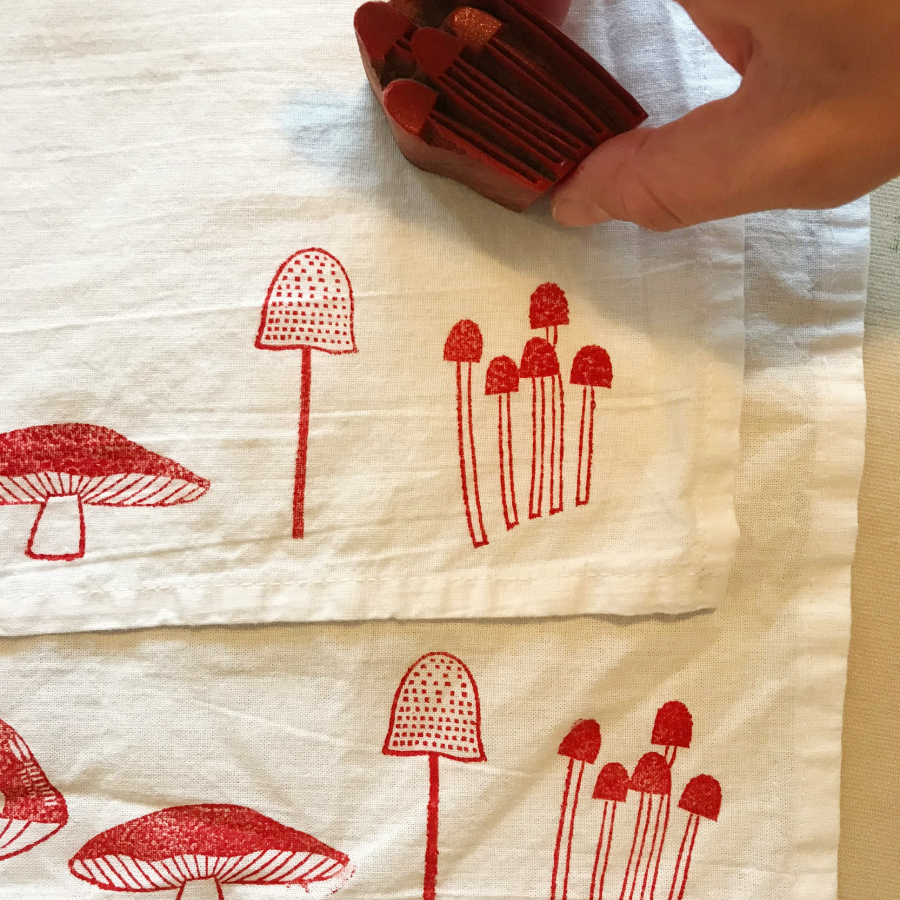
We’ve worked with block printing in the community groups. The reward is so instant! You can print over a stain, let it dry, and it’s covered.
Creativity as a lifelong support: finding yourself through making
I've got three sisters: there's a dancer, an actor, an artist, and then there’s me in textiles. We've all gone down creative paths, and my family has been very supportive of that. I’m very lucky, and I know I've taken it for granted.
Looking back at moments in my life, my parents split up, we moved from one country to another country, I was estranged from my father for many years. And I think that my ability to lean into making and crafting has really helped me. I realize how it's been a quiet support system, in a way I haven’t acknowledged or understood enough until now.
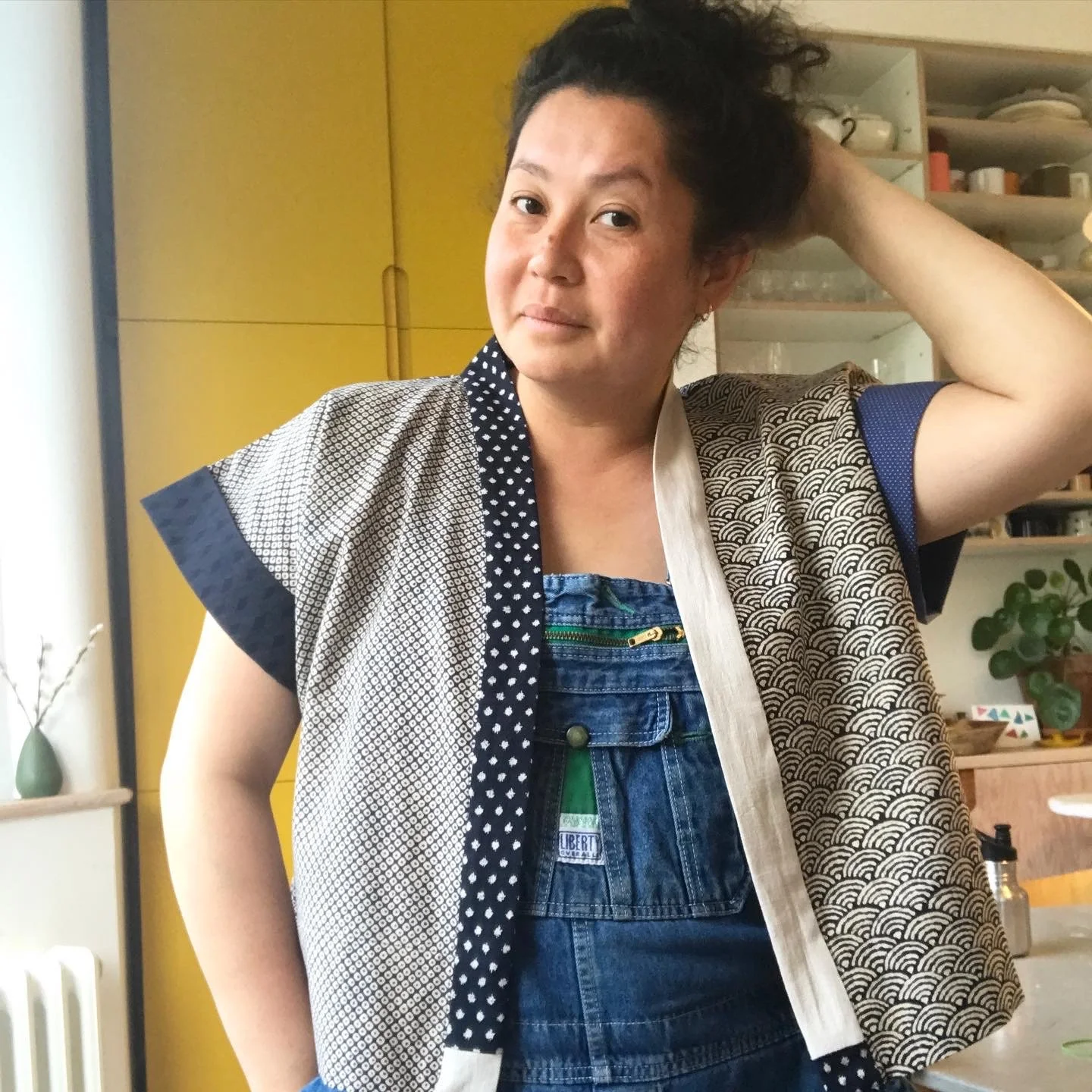
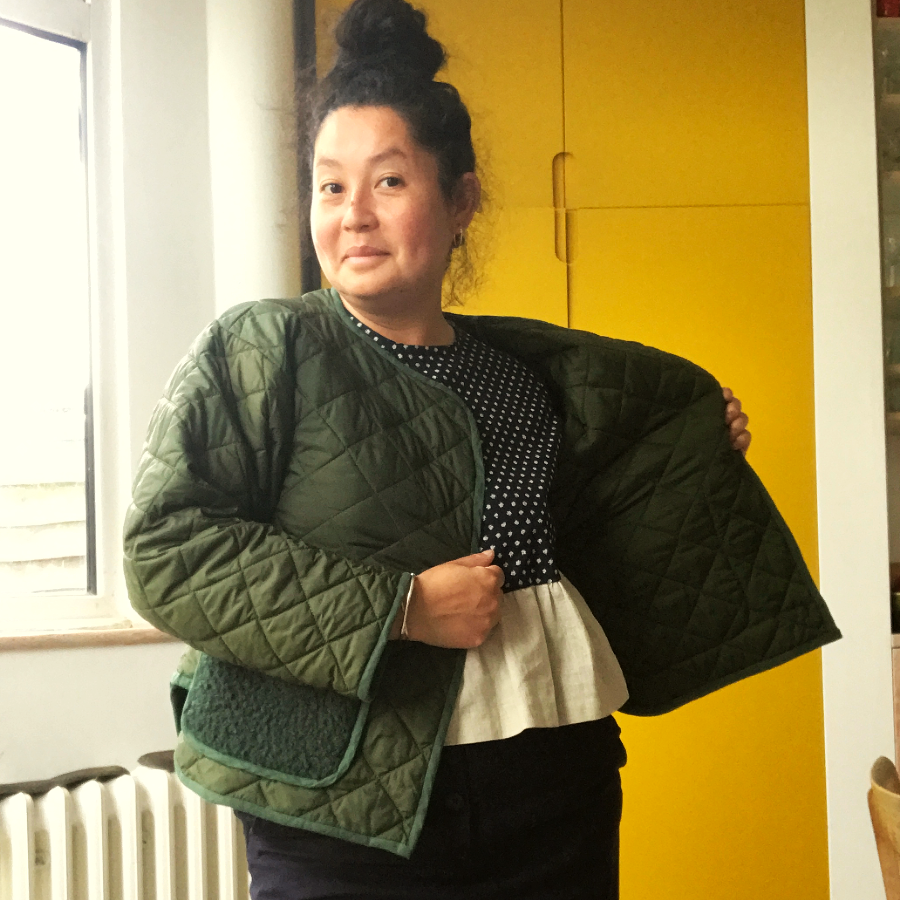
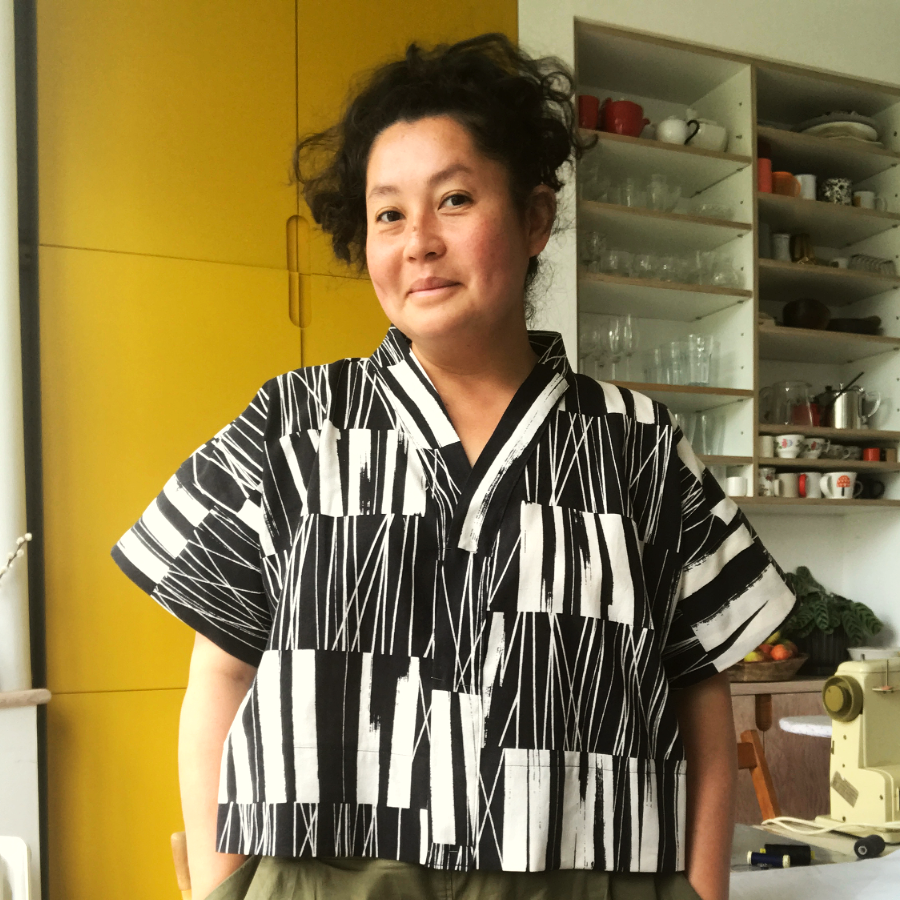
I think the benefits of crafting are generally being recognized more widely. There's a brilliant book called Craft Psychology that really goes into this. It’s brilliant. I think being creative is a really intrinsic, instinctive human thing.
To be clear, crafting is not going to cure you from all your problems, but it can definitely contribute to nurturing a sense of self and wellbeing and to developing practical skills that increase confidence and self reliance. Ultimately, that's what we aim to foster and encourage with Mads do & Mend CIC with all the communities we work with.
Visit Mads do & Mend CIC and follow Madeline on Instagram.
Know someone working with materials in exciting, sustainable ways and/or making a difference in their community through craft? We’d love to feature their story. Get in touch at hello@destasher.co.uk.
