
Giving yarn a second life: Mum’s tried-and-true tips
Getting hold of preloved yarn is all fine and dandy. But how do you care for it? Quite often, it doesn’t have a label. It’s been places you don’t know about. What’s the first thing you should do when you take it home?
Caroline here from Destasher. To figure this all out, I asked the one person I knew would have all the answers: an incredible lifelong knitter and, in recent years, a weaver working away at her loom in her workshop back in my homeland of Canada.
My mum, Marie-Jose.
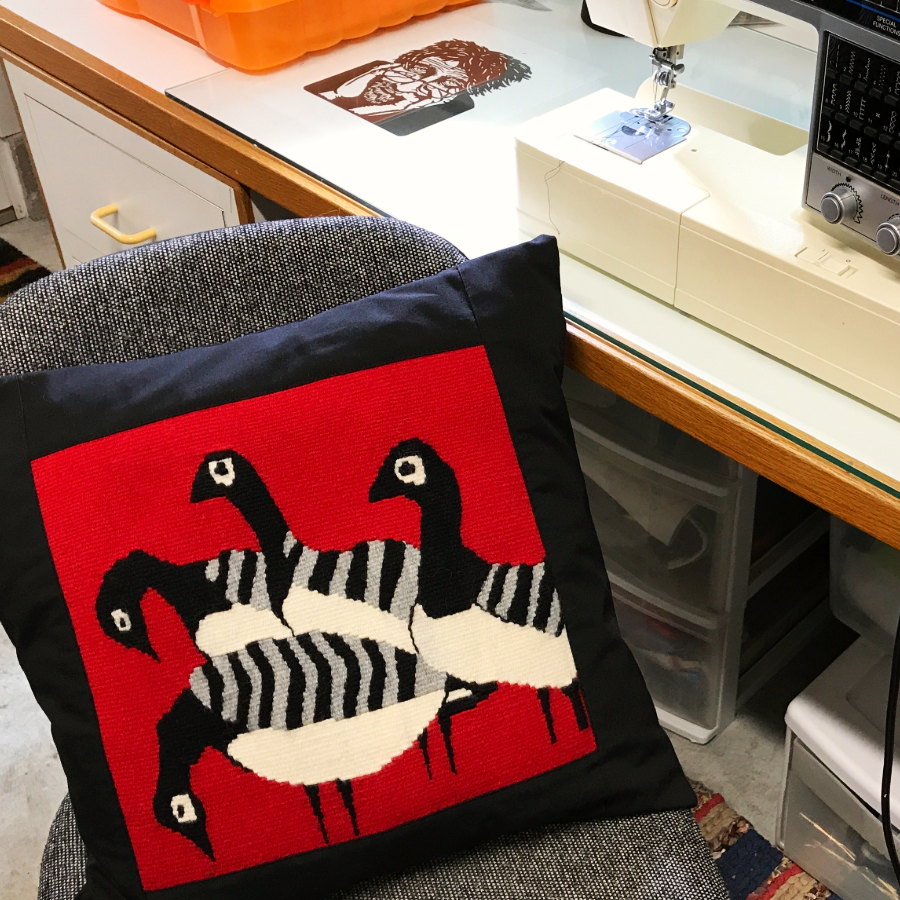
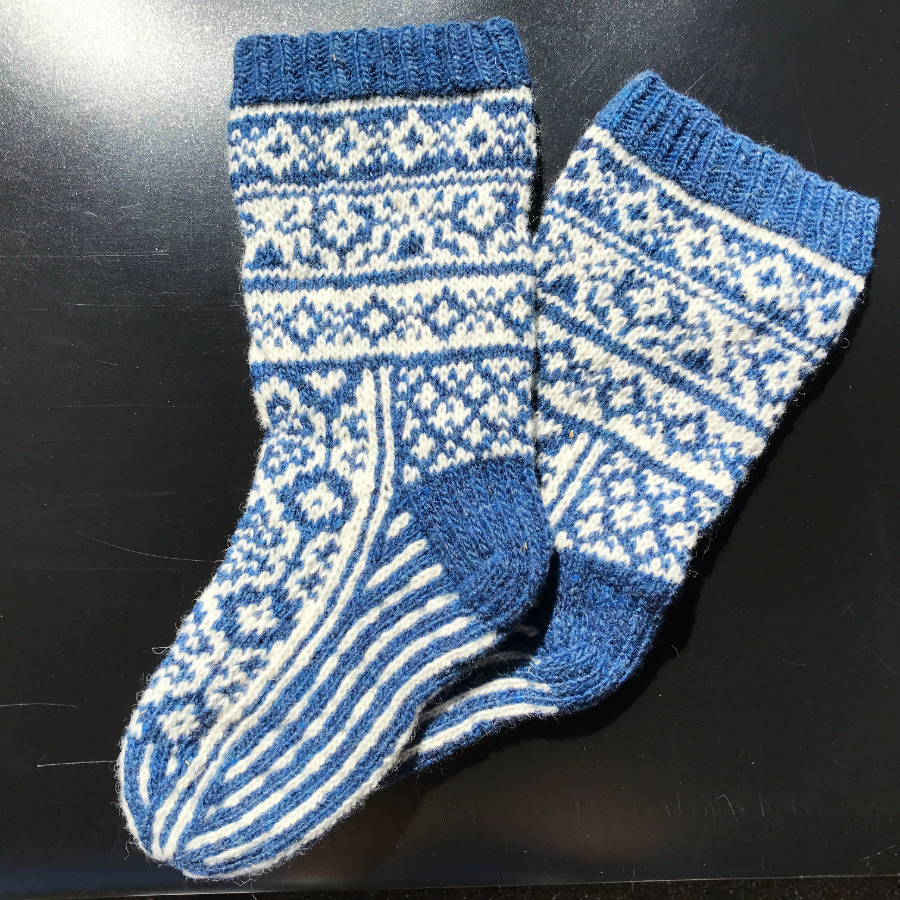
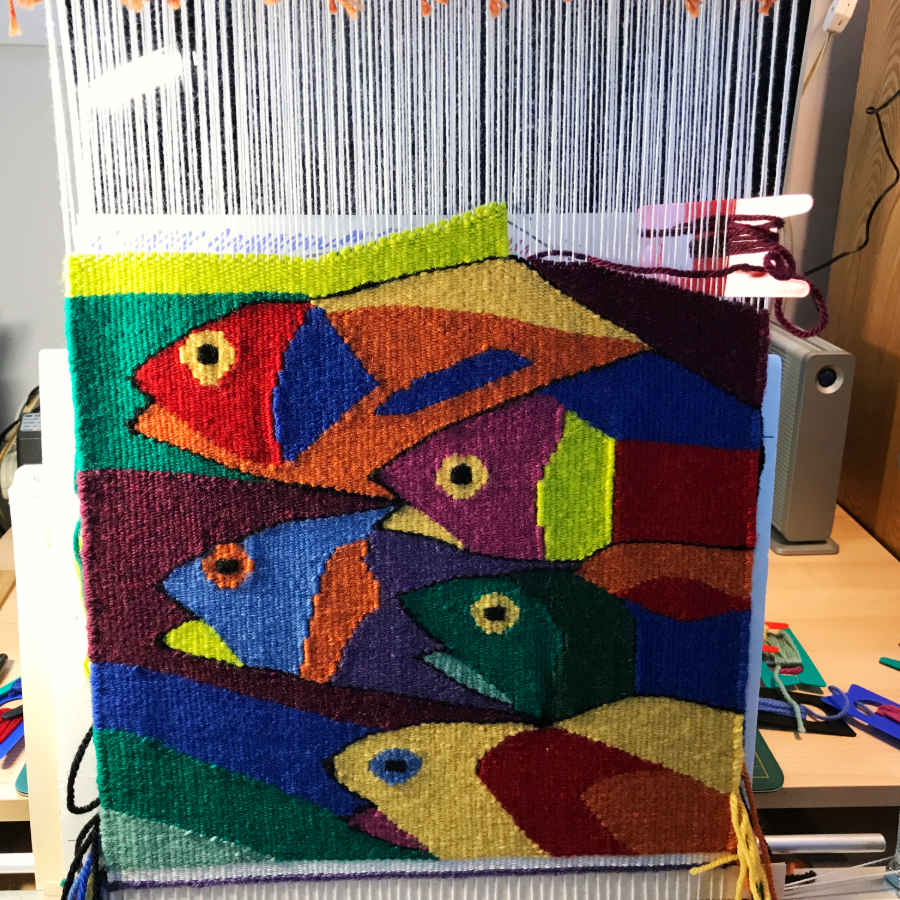
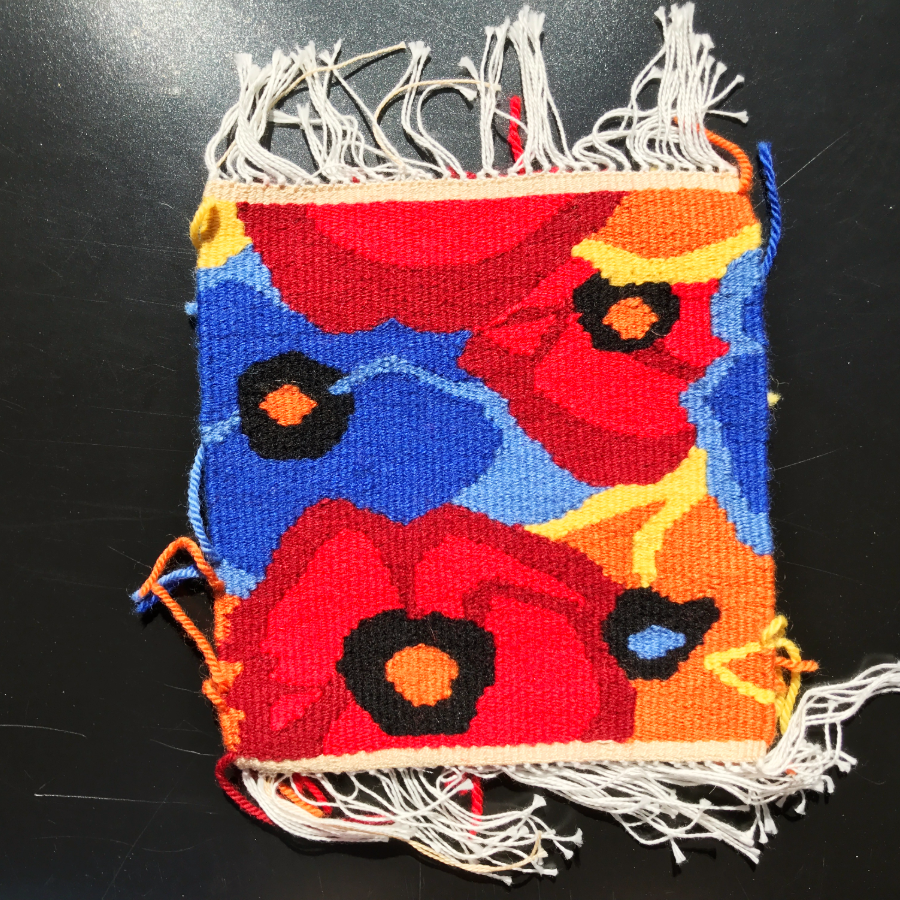
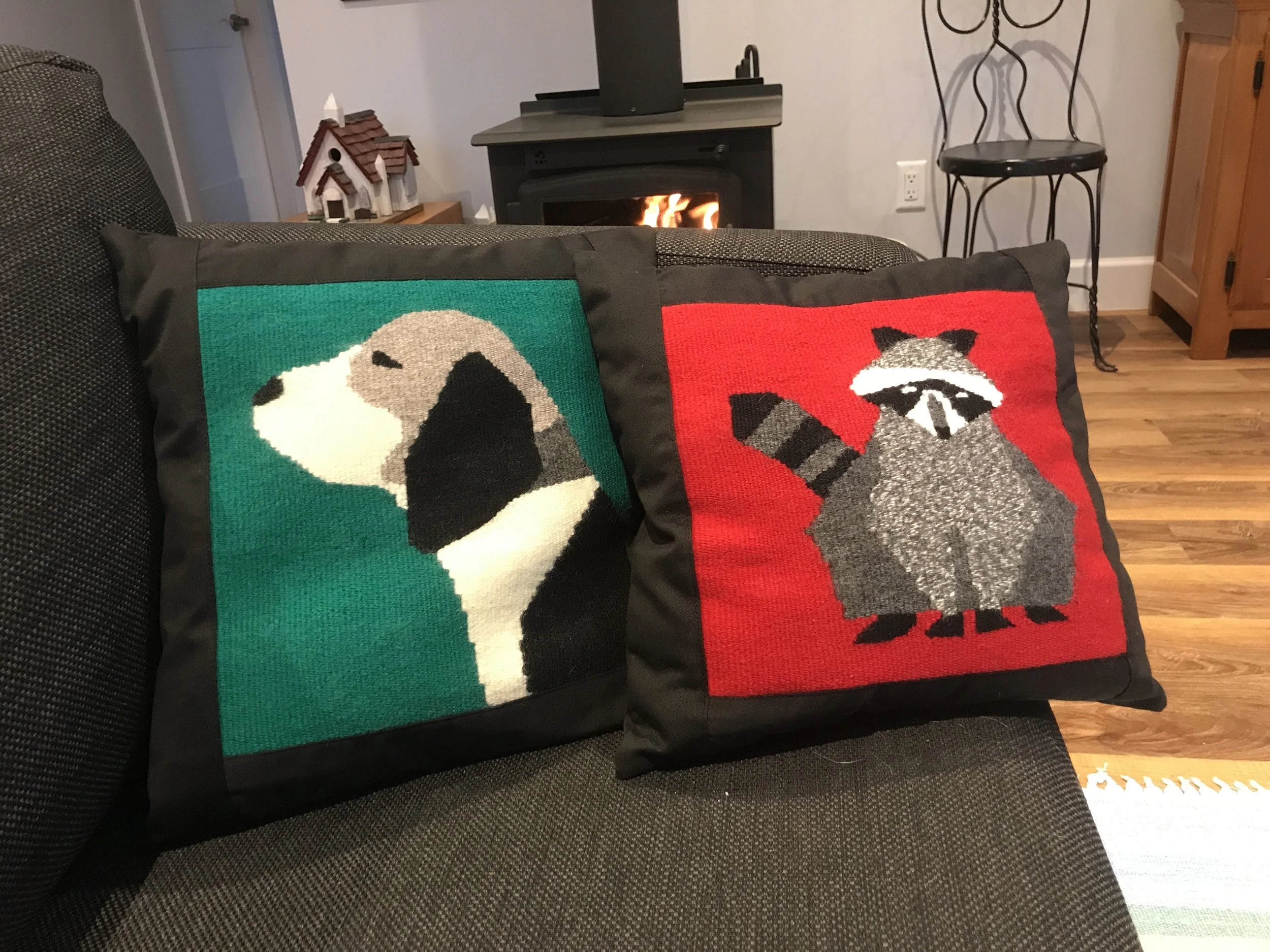
Here’s what she thinks… laid out in her words, along with images of some of her beautiful creations.
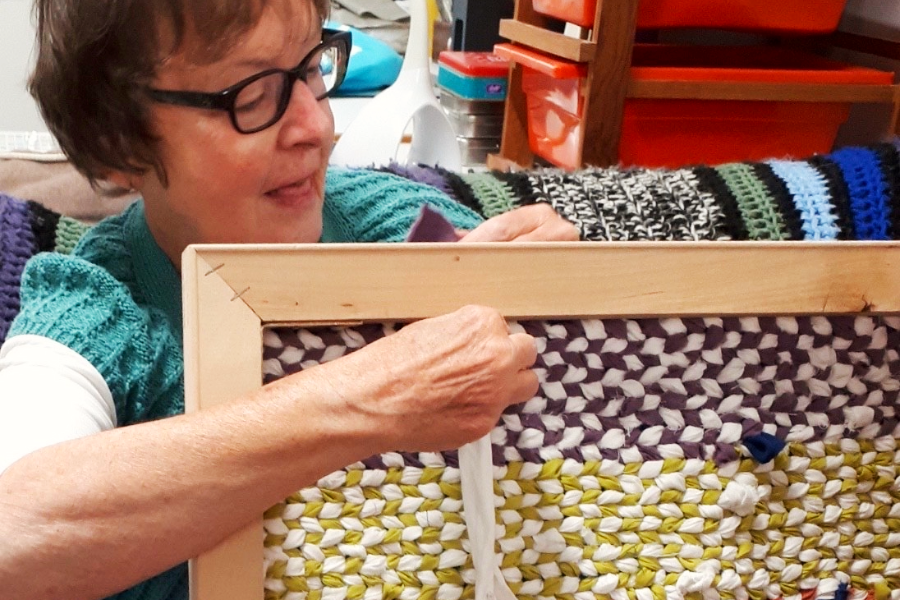
Reused versus recycled yarn
When it comes to yarn, there are two kinds of repurposing. There’s buying new yarn made from old yarn, and then there’s clearing your stash and passing it on to others.
I really struggle with recycled yarn, especially wool. It can be quite stiff and hard to work with. Instead of making jumpers of socks out of it, I’ll tend to make rugs or household things.
Psst, this is Caroline. I did a quick search: indeed, recycled wool is often stiffer than virgin wool because it’s been shredded. This breaks down the long, flexible fibres into shorter pieces that are coarser and more brittle. Quite often, the raw material comes from post-consumer waste, like old worn sweaters that were partially felted, which also makes the fibre harder.
To soften it a bit, try soaking the wool for around 30 minutes in cool water with a little hair conditioner, or rinsing it in water mixed with white vinegar.
Now, back to mum:
So, that’s recycled yarn. But passing on leftover yarn, or yarn you no longer want, is a whole other matter. We do it all the time in my weaving group - it’s great to keep the materials going!
Bring the yarn home for a fresh start
I bought my weaving loom from a lady who hadn’t used it in ten years. She gave me her whole stash: her yarn, her thread, her bobbins… everything. Of course, it all had been sitting in a closet for a decade. And I have to say, it smelled bad. I mean, it really smelled! All of it darkened by a thick layer of dust. It wasn’t moldy, just very, very dirty.
I started unwinding the yarn until I found the actual colour hidden underneath the layers. And the first thing your father told me was, “Put it outside!” So, that’s what I did. I left it out in the fresh air for a long time. I’m talking days.
That “fresh air” effect is like magic. Sunlight is a natural disinfectant. And sun and oxygen help to break down smells.
Turns out, I was able to reuse most of the yarn I got from that lady. It was mostly cotton rather than wool, so I made lots of tea towels. Tea towels, as you know, get washed again and again. So, the lingering smell long disappeared and everything felt like new.
Stop moths before they snack on your yarn
When people in my weaving group offer me their extra yarn, especially when it’s natural fibres, the very first thing I do when I get home is put it straight into a plastic bag and into the freezer. Just in case there are any moth eggs or larvae in there.
Moths are drawn to wool, cashmere, silk. The adult moth lays her eggs in there. Once they hatch, the larvae start feasting. If your yarn is a wool blend, they’ll chew through the acrylic just to get to the wool and leave it in a state.
I’ve had friends who learned this the hard way. They brought home some beautiful yarn, didn’t use it right away, and tucked it into a drawer. By the time they finally decided to get back to it… well, there were only bits left!
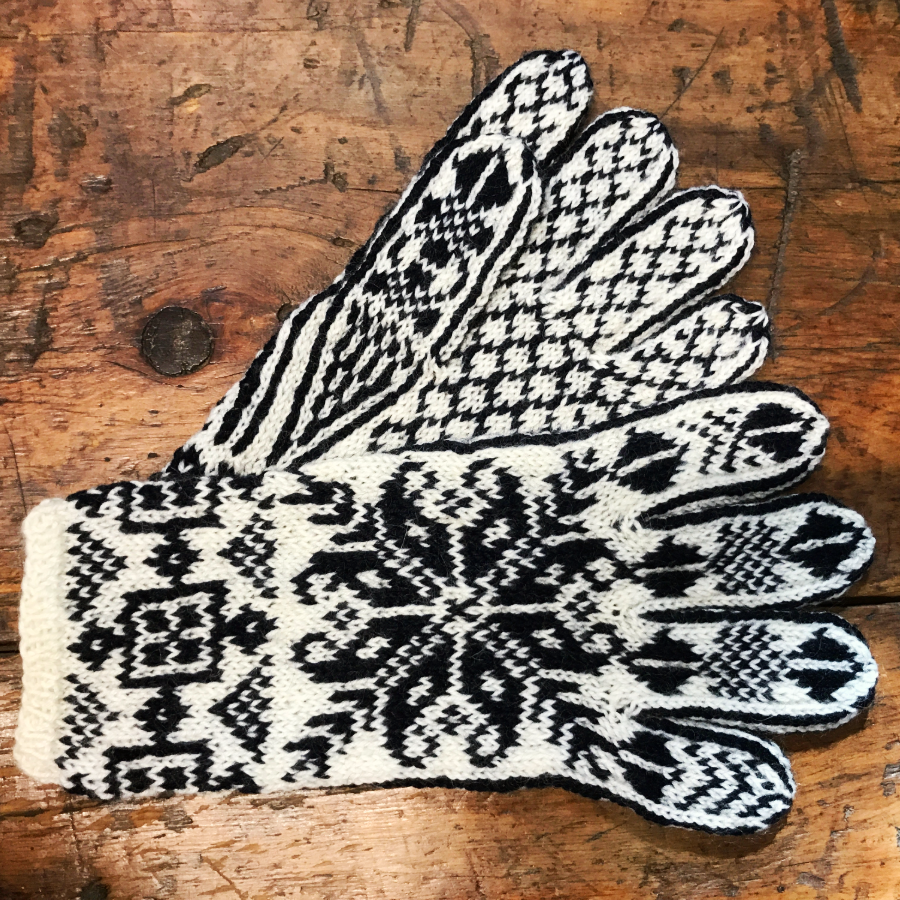
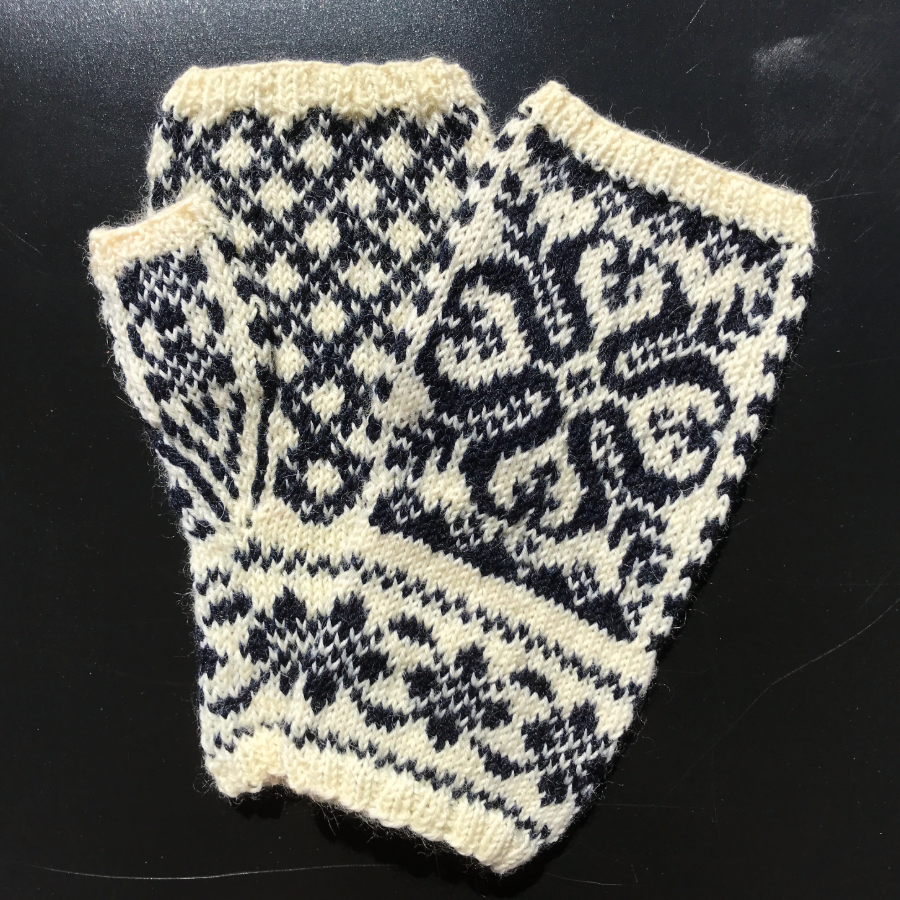
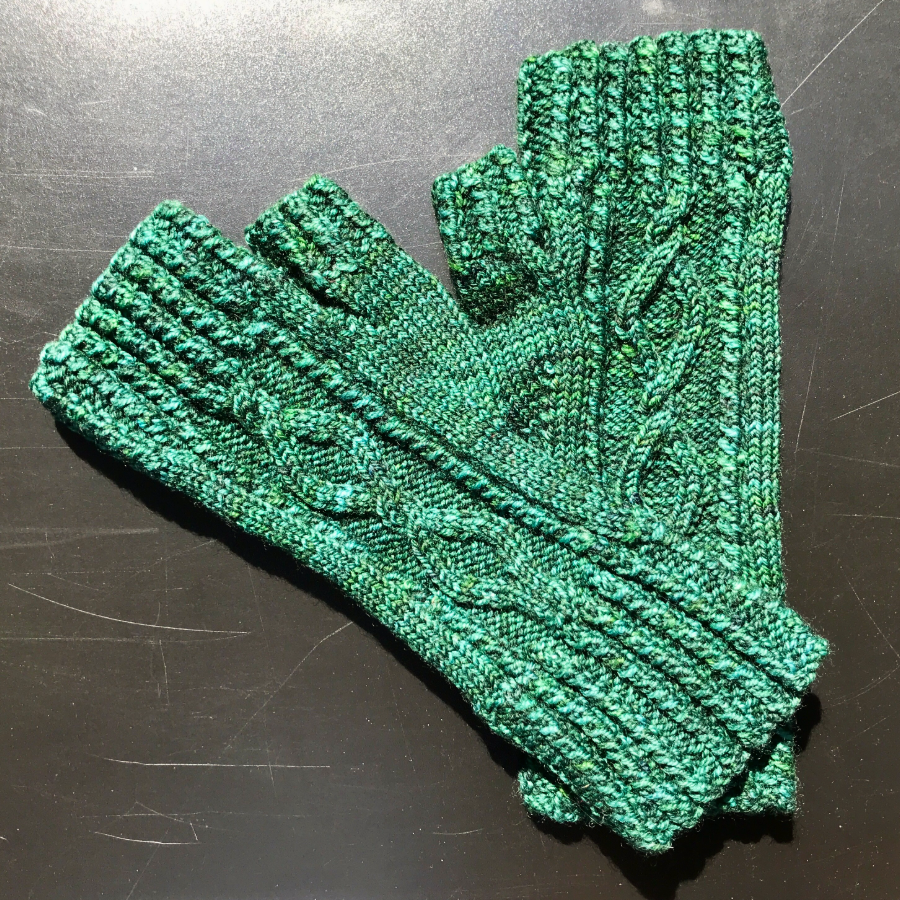
Freezing does the trick. Seal the yarn in an airtight bag and leave it in the freezer for two or three days. That’s usually enough, but you can also be extra careful: freeze it for a few days, let it come back to room temperature for a day or two, and then freeze it again. Anything that might have made it through the first round won’t survive the second.
It’s a small habit that can save you a lot of heartbreak.
Work out what fibre your yarn is made from
Without any labels, it’s often tricky to know what kind of fibre your yarn is made of. And if you don’t know what it is, it’s hard to know what to make with it. Back to tea towels, for example. I can only make them with 100% cotton, because tea towels get washed a lot!
There are little tricks for identifying fibres... some I never fully understood! One is the burn test: you light a thread and watch how it burns. Apparently, each fibre responds to fire differently, but I can never quite tell the difference!
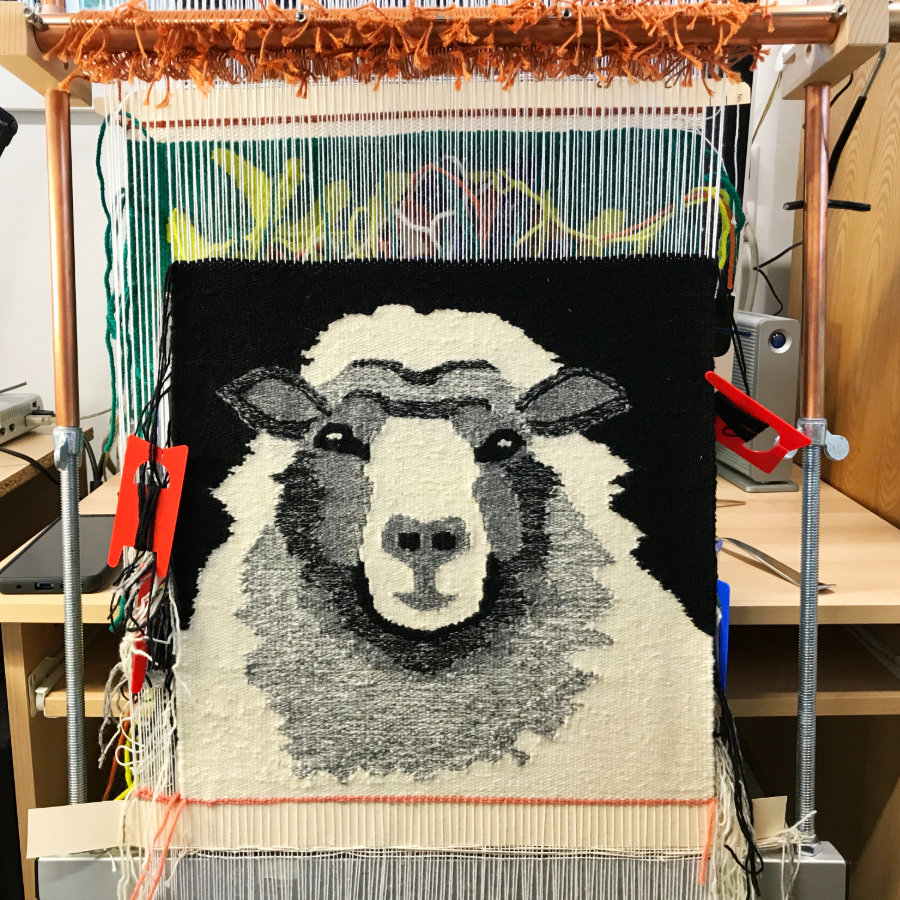
What I tend to do is just pull on a single strand. If it doesn’t break easily, it’s probably synthetic. If it snaps and frays, it’s more likely to be a natural fibre. But these days, it’s rare to find yarn that’s 100% wool. Quite often, it’s blended with something else.
Safe and smart ways to store your yarn
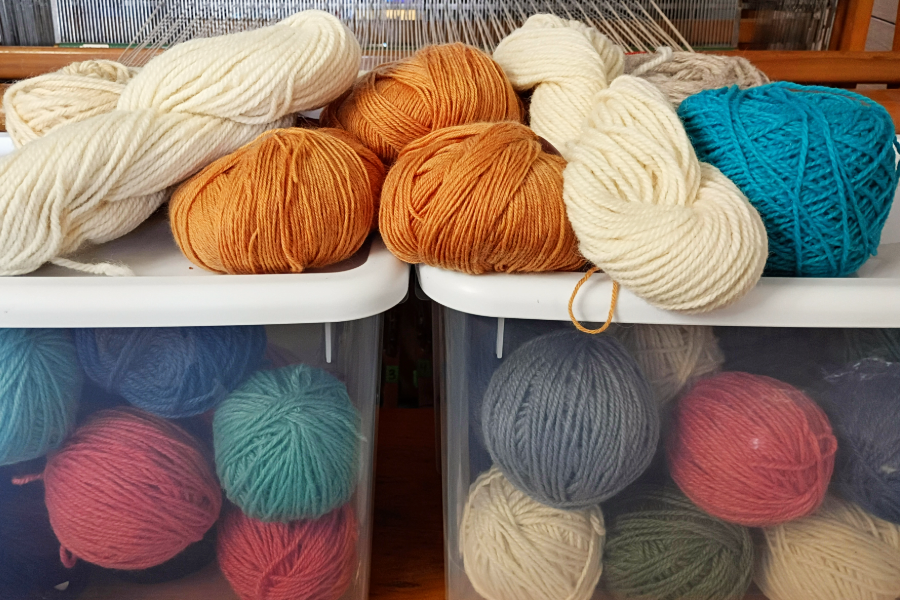
When you’re storing yarn, never leave it loose. Put it into a sealed plastic bag. Find a bag, clean it and reuse it to store your stash.
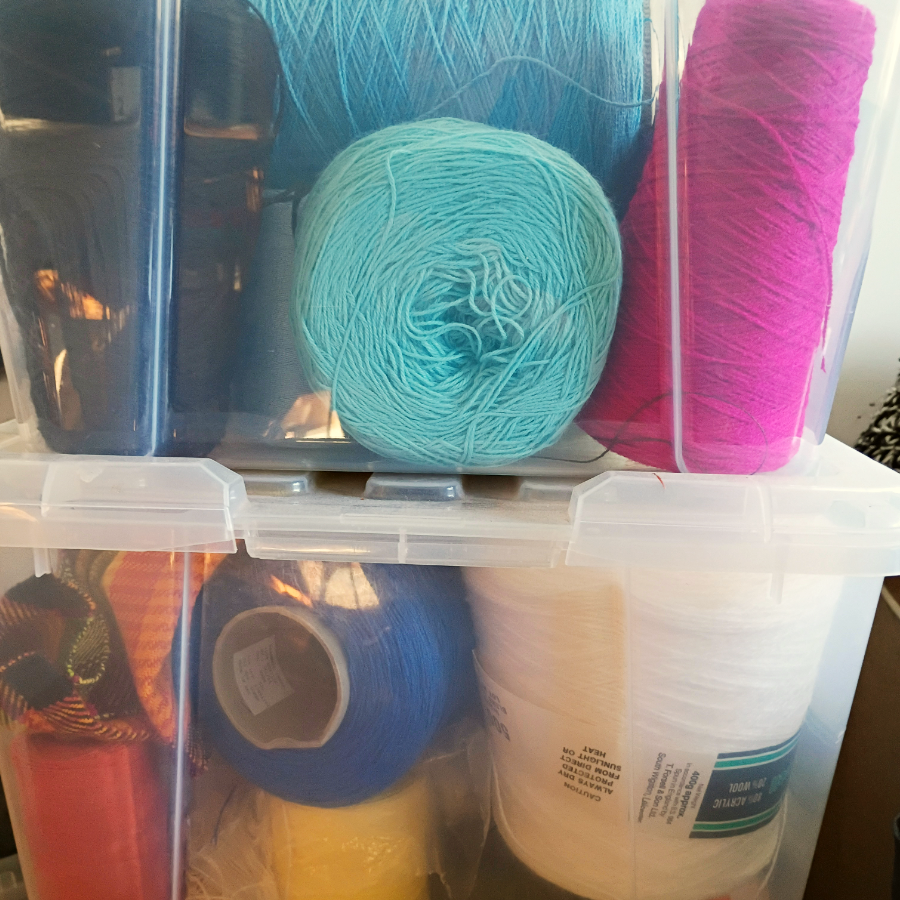
I also have lots of airtight plastic boxes for my yarn… so many of them! Your father teases me about it. But at least I don’t have any moths getting in there and laying eggs!
Same thing applies with your works-in-progress or finished makes: pack them carefully and protect them well. You don’t want a nasty surprise, especially if it’s a big project that took you a long time. Imagine opening it up and finding damage after all that work!
A dark storage space is a good idea, as sunlight can fade natural fibre yarn dyes after a while.
Between you and me, all these materials are expensive, so it’s good to take the time to care for them.
Wash and Care for Wool: Tips for Soft, Happy Yarn
If you need to clean something that you made with 100% wool, don’t just bung it in the washing machine. Wash it gently in the bath in lukewarm water, with just a tiny drop of washing-up liquid. That’s what all my weaver friends told me! Using laundry detergent is harsher, and dyes can run, especially if you have light and dark colours together. Apparently, washing-up liquid is best.
Move it around gently, but not too much, because wool can felt. It’s beautiful, but it does need care.
Wool can also be itchy at first. But the more you wear it, the softer it becomes. I made your sister a jumper once, and at first she said it was so itchy, it was awful! But after wearing it for a while, she finally told me it wasn’t itching so much. I suppose you just need to give things time!
Psst, this is Caroline again. I did another quick search, and apparently soaking with conditioner or rinsing with white vinegar as above can help reduce itch too!
Sort your yarn by colour to inspire creativity
When I pay visits to my knitting and weaving friends and see their studios, I’m always amazed. All their yarn is organised by colour. You might see boxes of blues — some cotton, some wool — all together. Then a whole series of yellows, then oranges. It’s not organised by texture or material, but by colour.
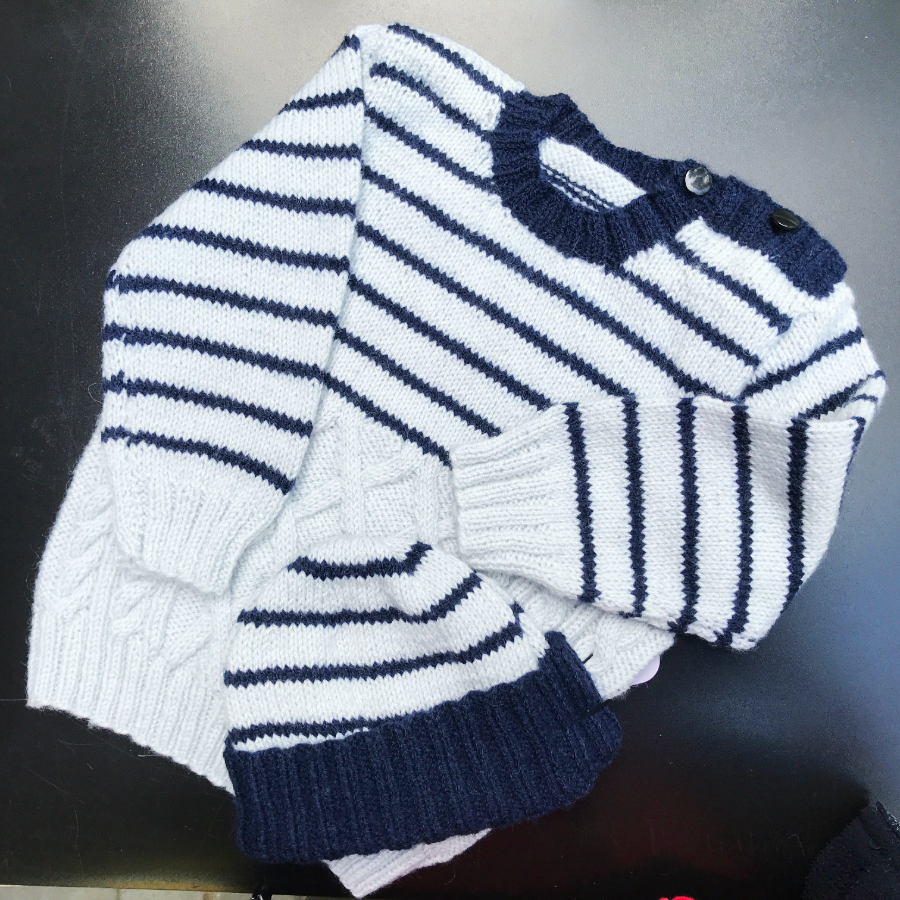
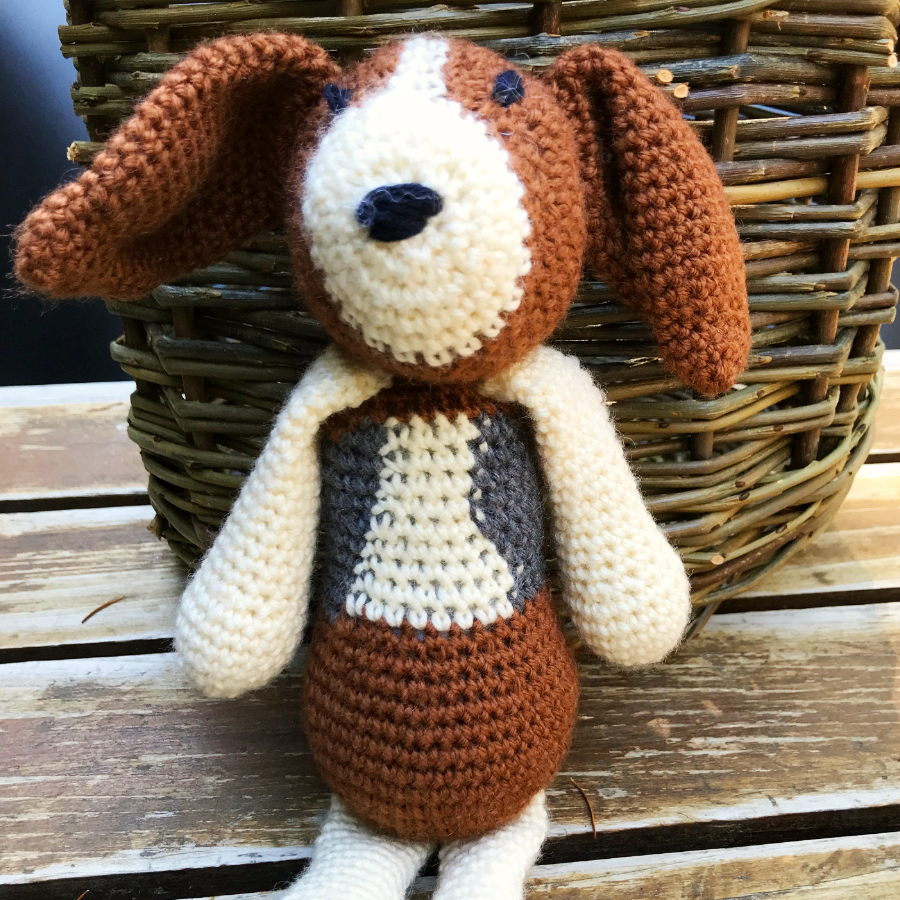
That way, when they’re deciding what to make, they can quickly see all the colours in front of them. I think it gives them quick, fun ideas. If everything is arranged visually, they can immediately imagine combinations.
I’m always so impressed by it. And their workshops are so tidy, not like mine!
I suppose that’s the real trick: to stay organised as you go. That way, when a new project comes along, you already know what you have. You see it straight away, and you can just dive in and enjoy.
